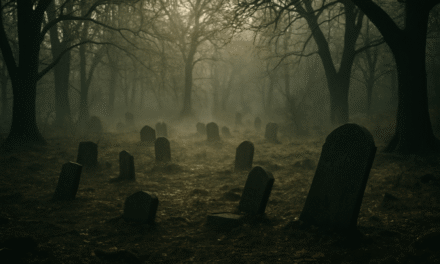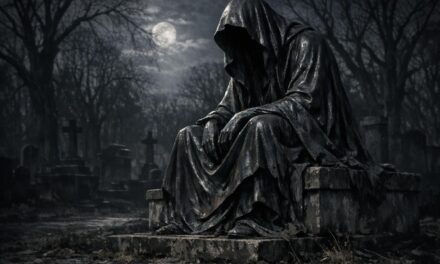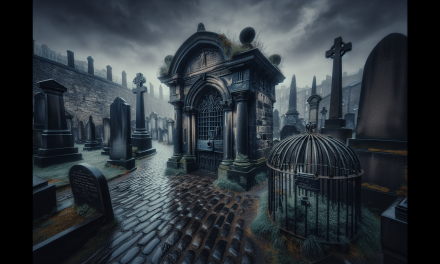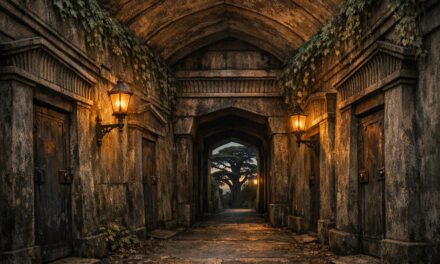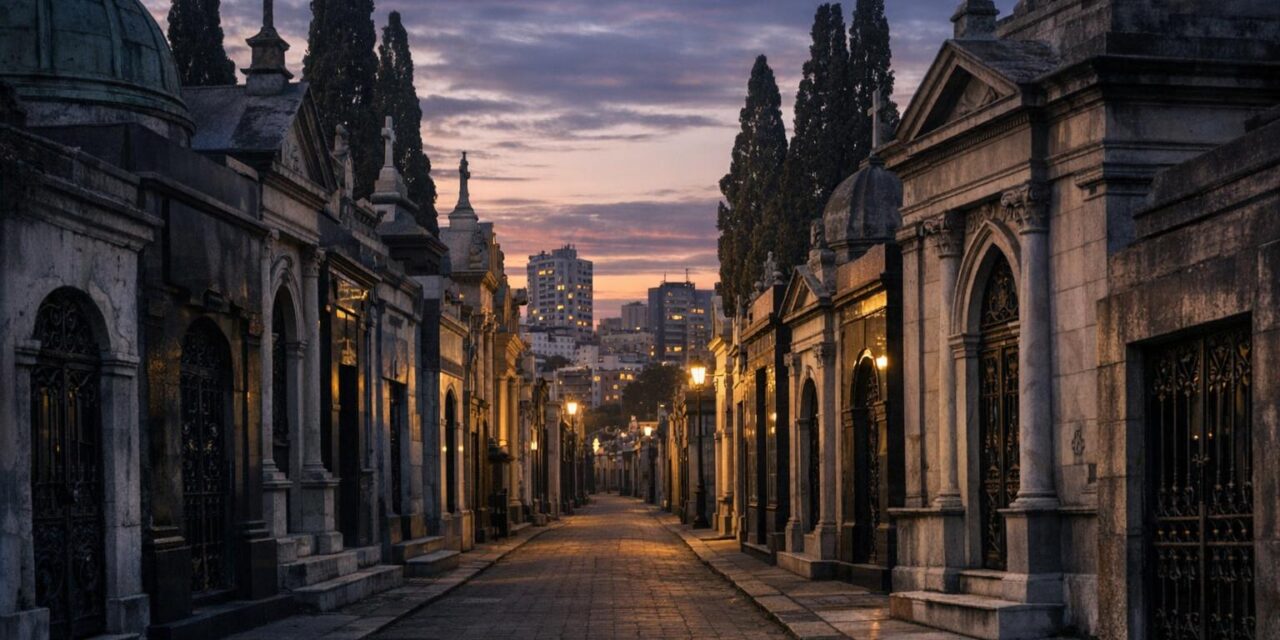
The entrance to Recoleta Cemetery is through white columns and cypress trees, and beyond the gate the streets of the dead begin — narrow, marble-lined lanes laid out on a grid, the mausoleums rising two and three stories on either side, some polished and flower-fresh, others crumbling into visible decay. Established in Buenos Aires in 1822 on land once held by Recoletos friars, the cemetery became from the start a place of social ambition as much as grief, a miniature city for the families who mattered. Somewhere in its thousands of sealed vaults, two of its residents have never quite settled.
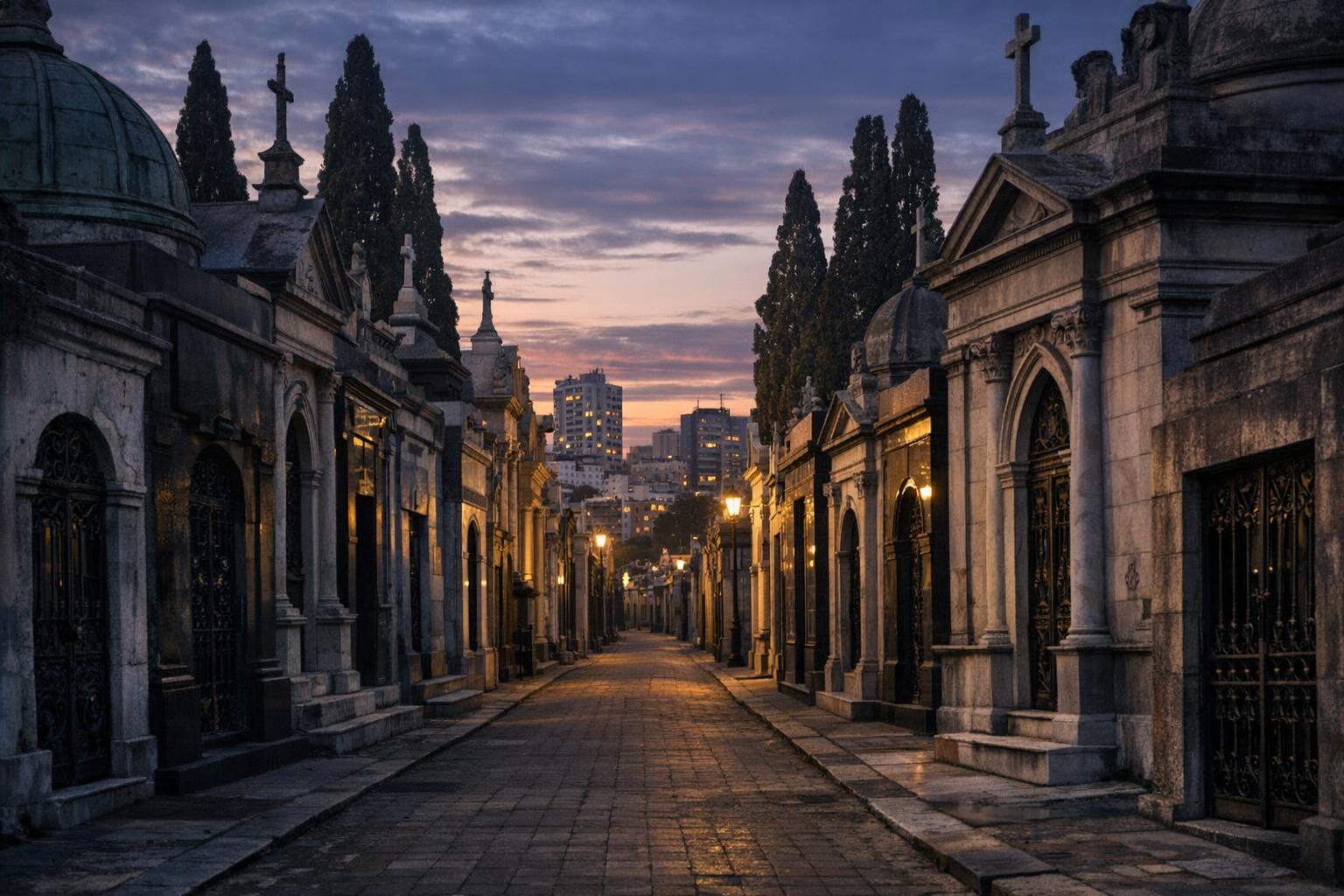
The first is Rufina Cambaceres, who was nineteen years old when she died on May 31, 1902, and who was almost certainly buried alive. Rufina had collapsed at the theater, was declared dead by doctors, and was interred in the family mausoleum at Recoleta. When the mausoleum was later opened, the coffin had moved and its interior bore marks consistent with someone pushing from within. Her family commissioned a life-sized marble effigy for her tomb: Rufina in the moment of waking, her hand raised against the door, reaching from the inside. The figure stands there still, in the posture of someone who has not given up. Reports of a young woman in white moving through the lanes in the late afternoon have persisted in the cemetery for more than a century.
The second is Eva Perón, who died on July 26, 1952, was embalmed at extraordinary cost, and then spent more than twenty years being moved from hiding place to hiding place by governments who feared what her grave might become. She was shipped to Italy under a false name and buried as María Maggi de Magistris before being repatriated in 1974 and finally interred in the reinforced Duarte family vault at Recoleta in 1976. The crypt is one of the most visited sites in Buenos Aires. Fresh flowers appear at its door daily. The haunting here is not supernatural — it is history, which in Argentina amounts to much the same thing.
Story Source: amyscrypt.com
Address: Junín 1760, Buenos Aires, C1113 CABA, Argentina
Accessibility Rating: Open to All — Freely accessible to the public with no advance requirement. Includes hotels, restaurants, bars, and public historic sites where visitors may walk in without prior booking.
Google Map
What Others Have Experienced
A travel writer described the climb to the summit of Ming Mountain as part of what makes Fengdu work as an experience — the physical effort of ascending past increasingly elaborate depictions of the underworld, judgment halls, and torture chambers builds a cumulative sense of dread that a flat theme park could never achieve. By the time visitors reach the peak with its panoramic views over the Yangtze, the weight of two thousand years of death mythology feels genuinely present.
— from J.H. Moncrieff
A visitor who arrived in fog described the atmospheric conditions as transforming the site entirely — the elaborate spirit statues and demon carvings emerging from the mist between temple buildings creating an effect that no amount of deliberate staging could replicate. They said the fog made it easy to understand why ancient people had chosen this particular mountain as the gateway between the living world and the realm of the dead.
— from TripAdvisor
One visitor noted that the Fengdu experience is most affecting not for its horror elements but for the directness with which Chinese folk culture confronts death and judgment. Standing before the grotesque torture tableaux depicting the punishments awaiting the unworthy, they described a sense of genuine discomfort that surprised them — not because the imagery was crude, but because it was clearly meant seriously.
— from Moon Mausoleum
A cruise passenger who visited the site as part of a Yangtze River tour described the nighttime version of the site as a categorically different experience from the daytime visit. With 3D holographic projections, actors portraying underworld figures, and the mountain temples dramatically lit against the dark sky above the river, the line between theatrical performance and something harder to categorize became difficult to locate.
— from China Highlights
A visitor from outside China described the experience of walking through the judgment halls as unexpectedly affecting. The specificity of the iconography — particular sins, particular punishments, particular deities overseeing each — conveyed a cosmology that had been thought through in serious and systematic detail over centuries, and the weight of that seriousness made the site feel more genuinely unsettling than any Western haunted attraction they had encountered.
— from Into Travel China