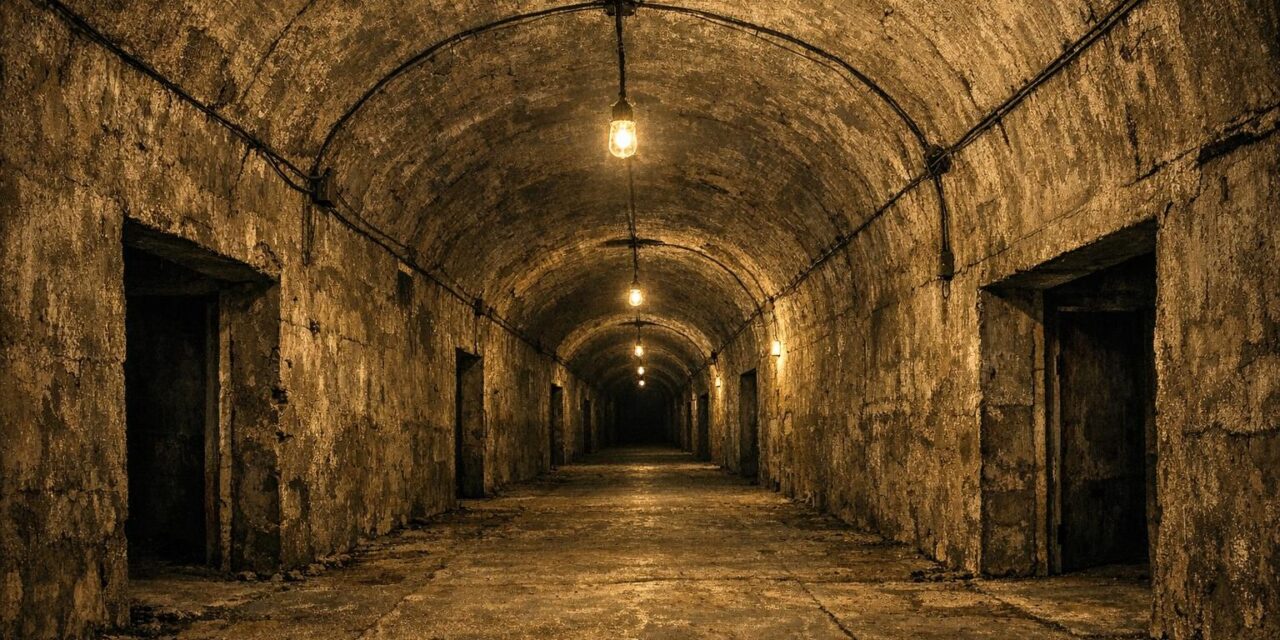
At the mouth of Manila Bay, a small rocky island called the Gibraltar of the East held out for five months against the full weight of the Japanese Pacific campaign. Corregidor Island was where General Jonathan Wainwright surrendered 12,000 American and Filipino troops on May 6, 1942 — the largest American surrender in history — after months of bombardment that reduced its barracks and batteries to rubble and packed its tunnel system with wounded soldiers and Army nurses working by electric light while the ground shook above them. The island fell. Three years later, American paratroopers dropped back onto it under fire to take it back.
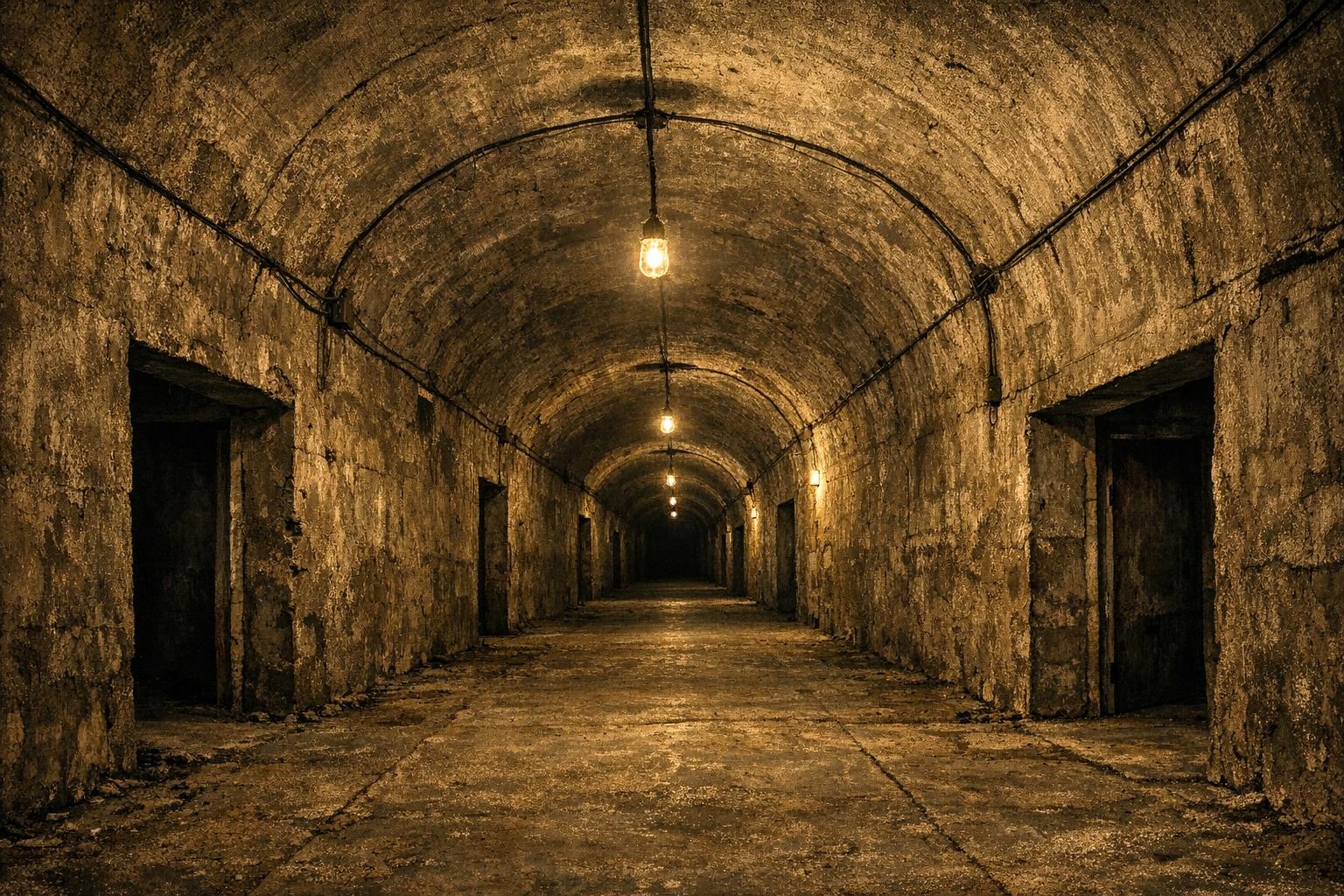
What that sequence left behind is not easily categorized. The ruins of Mile-Long Barracks — once the longest military barracks in the world — stand roofless and overgrown, their concrete shells still showing the geometry of individual rooms. The coastal gun batteries still point to sea. Malinta Tunnel, the bombproof complex where MacArthur commanded and Wainwright surrendered, cuts through the middle hill and runs 300 meters end to end, its walls still bearing the weight of everything that happened inside them. Visitors to unlit laterals report figures that do not correspond to their group, sounds of movement in closed sections, a density of presence.
Corregidor is a Philippine national monument, accessible by ferry from Manila. A Light and Sound Show recreates the bombardment inside the tunnel with effects that echo off the concrete in ways designed to unsettle — though guides note that visitors sometimes report experiences in the unlit sections that no production arranged. The island does not easily distinguish between what is staged and what simply remains.
Story Source: www.corregidortours.com
Address: Corregidor Island, Manila Bay, Cavite, Philippines
Accessibility Rating: Guided Tours Only — Access permitted only as part of an organized tour. Independent exploration not allowed.
Google Map
What Others Have Experienced
The Old Corregidor Island Hospital is consistently identified as the most paranormally active site on the island. Paranormal investigators and casual visitors alike report sounds suggesting the building is still operational — footsteps, voices, and activity resembling a functioning ward — despite the structure now being an open-air ruin. Shadow figures, light anomalies, and full apparitions have been reported across multiple independent visits.
— from Amy’s Crypt
Inside the Malinta Tunnel, visitors describe a marked shift in atmosphere — rock-cut corridors branching into dark laterals with no natural light, the knowledge that approximately 3,000 Japanese soldiers died within these walls adding to the enclosed, heavy feeling. Cold spots and the sensation of being watched are among the most frequently reported experiences, consistent across independent visits over many years.
— from Amy’s Crypt
The ruins carry unusual emotional weight partly because the island’s isolation means the structures have been left largely undisturbed — jungle-reclaimed barracks, rusting artillery, and collapsed buildings all visible from the tram tour. Visitors describe a sense of the island being frozen at the moment of abandonment, a quality that amplifies the historical tragedy rather than distancing it.
— from The Island Drum
Day tour visitors consistently commend the Sun Cruises organization, but multiple reviewers identify the overnight stay as where Corregidor reveals its true character. Near-total darkness after sunset, the sound of wind through collapsed structures, and the physical presence of the ruins by torchlight is described as unlike any other travel experience in the Philippines.
— from TripAdvisor
A Filipino travel writer who spent 48 hours on the island described the experience as one that refuses simple categorization — too historically real to be merely atmospheric, too physically striking to be merely educational. The combination of WWII memorials, active paranormal research, and the sheer physical condition of the ruins creates an environment she found genuinely difficult to process through any single lens.
— from Transit Pinas