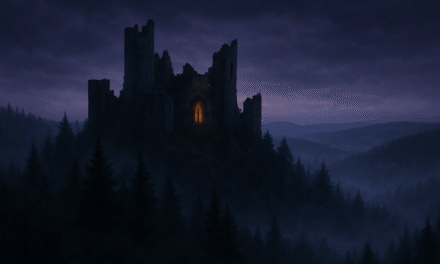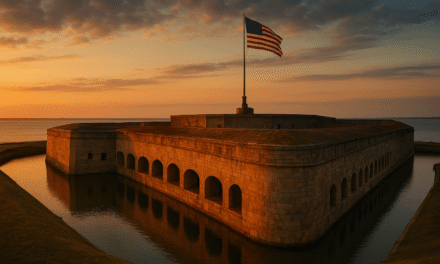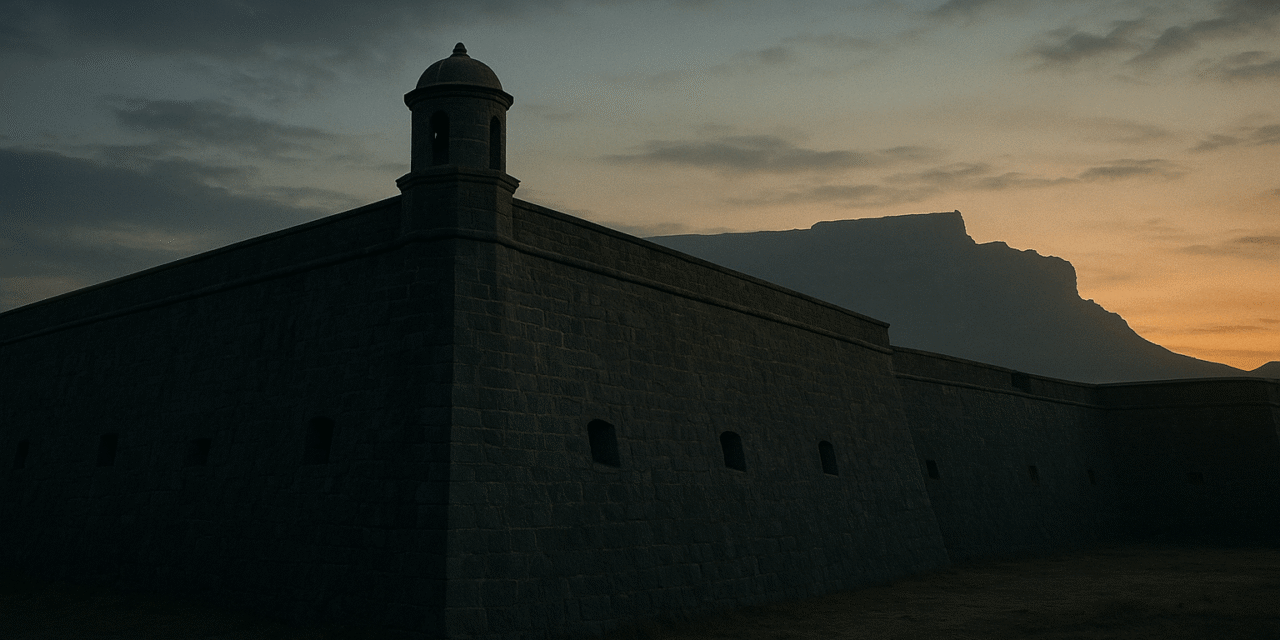
The Castle of Good Hope no longer faces the sea. Land reclamation across two centuries carried the shoreline far inland, leaving the fortress marooned at the center of modern Cape Town — ringed by roads and office towers, the harbor it once defended nowhere in sight. Built by the Dutch East India Company between 1666 and 1679, it is the oldest surviving building in South Africa. Its pentagonal walls have stood for more than three and a half centuries. And on the morning of April 23, 1729, something happened inside them that the castle has not forgotten.
Pieter Gysbert van Noodt was the Cape Colony’s governor, and on that morning he had sentenced seven soldiers to death for desertion. One of the condemned, standing at the scaffold, reportedly called upon van Noodt by name — demanding that he answer for his actions before God before the day was out. Van Noodt did not attend the execution. He was found dead in his chair later that afternoon, his face fixed in an expression that witnesses could only describe as terror.
He is now the most frequently reported presence in the castle — a figure in period military dress seen walking the ramparts near the old residential quarters, purposeful and silent, who simply ceases to be there. Lady Anne Barnard, a Scottish writer who lived in the castle from 1797 to 1802 while her husband served as Colonial Secretary, is encountered in the same sections, her presence marked by quiet footsteps in rooms she once moved through. Today the Castle of Good Hope operates as a military museum, and its guided tours address the ghost stories without apology — recognizing, perhaps, that after three hundred years, the accounts have become part of the record.
Story Source: TV episode titled “Hauntings of South Africa” — Ghost Hunters International (Syfy, 2008)
Address: Castle of Good Hope, Buitenkant Street, Cape Town, 8001, South Africa
Accessibility Rating: Open to All — Freely accessible to the public with no advance requirement. Includes hotels, restaurants, bars, and public historic sites where visitors may walk in without prior booking.
Google Map
What Others Have Experienced
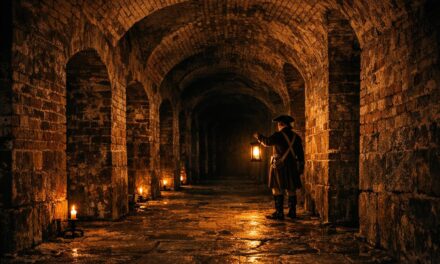
Workers and visitors to the castle have long reported hearing unexplained voices and footsteps echoing through the windowless Donker Gat dungeon and the building’s narrow stone corridors. Night-shift soldiers guarding the castle have described habitually avoiding the archways after dark — saying they are reluctant to pass through spaces they believe are occupied by restless presences.
— from The Little House of Horrors
The most enduring paranormal account associated with the castle centres on Governor Van Noodt, who was cursed by a condemned prisoner moments before his execution in 1728 and was found dead in his office that same afternoon. Visitors and staff have subsequently reported hearing what they describe as cursing and agitated muttering within the castle walls, consistent with accounts of his bitter spirit failing to find peace.
— from Connect Paranormal Blog
One of the castle’s most frequently reported and unnerving phenomena is the phantom black dog that appears on the grounds without warning and lunges at visitors before vanishing completely. Accounts of the apparition span many decades and come from both tourists and long-term staff, making it one of the most consistently documented supernatural occurrences at the site.
— from Cape Town Magazine
The bell in the castle’s bricked-up tower has been heard ringing by numerous visitors and workers despite being physically inaccessible — a phenomenon attributed to the ghost of a soldier said to have hanged himself on the bell-rope centuries ago. Separately, a tall luminous figure has been reported leaping from the castle walls and disappearing before reaching the ground below.
— from Cape Town Tourism
Visitors on the castle ghost tour described the experience of descending into the Donker Gat dungeon as the most affecting part of the site, with the windowless chamber — which once flooded in winter, drowning prisoners inside — producing a concentrated sense of dread that the group found difficult to attribute to imagination alone. Several noted that knowing the specific history of the space made it unlike any haunted attraction they had visited.
— from Good Hope Adventures