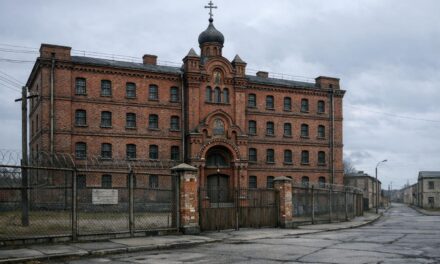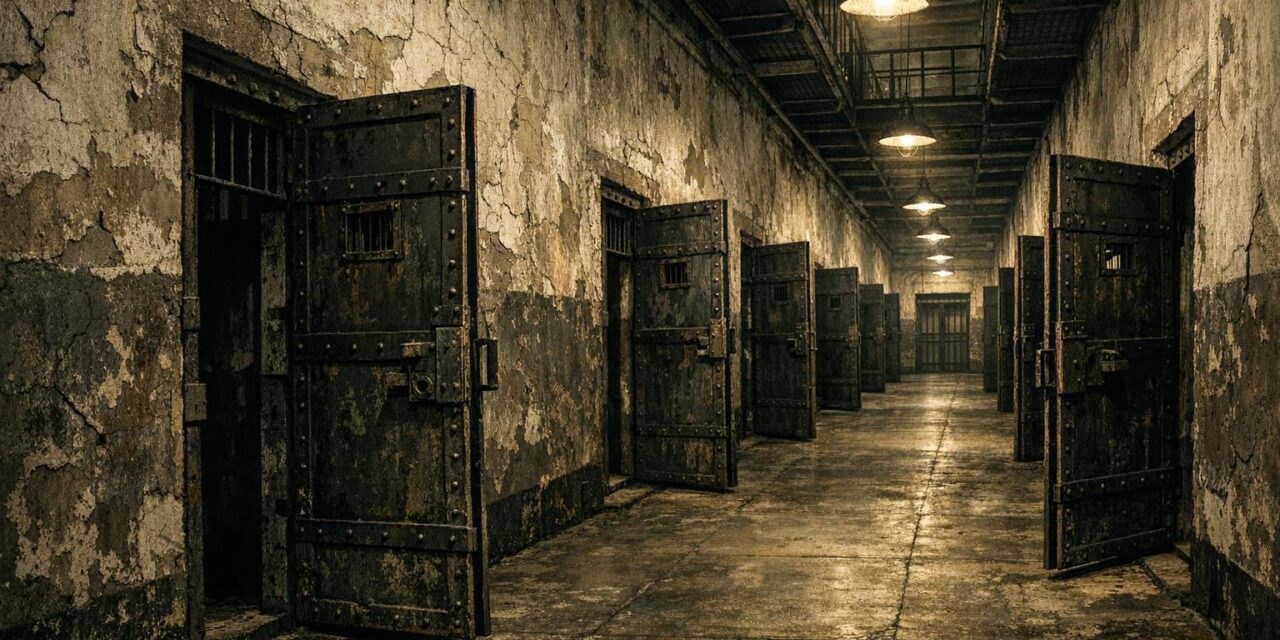
The prison was designed in 1920 to hold prisoners under the modern principles of Brazilian criminal law. By the time the crisis had fully developed, Carandiru — the Casa de Detenção, the House of Detention — held over eight thousand people in space built for far fewer. One thousand guards for eight thousand prisoners. Gangs controlled the cell blocks. Medical staff were reluctant to enter. Disease, malnutrition, and a severe AIDS epidemic moved through the overcrowded wings for decades with nothing adequate to stop them. In October 1992, the prisoners revolted. The Polícia Militar do Estado de São Paulo stormed the cell blocks without attempting negotiation and killed one hundred and two. Nine more died at the hands of fellow inmates. One hundred and eleven people dead before the afternoon was over.
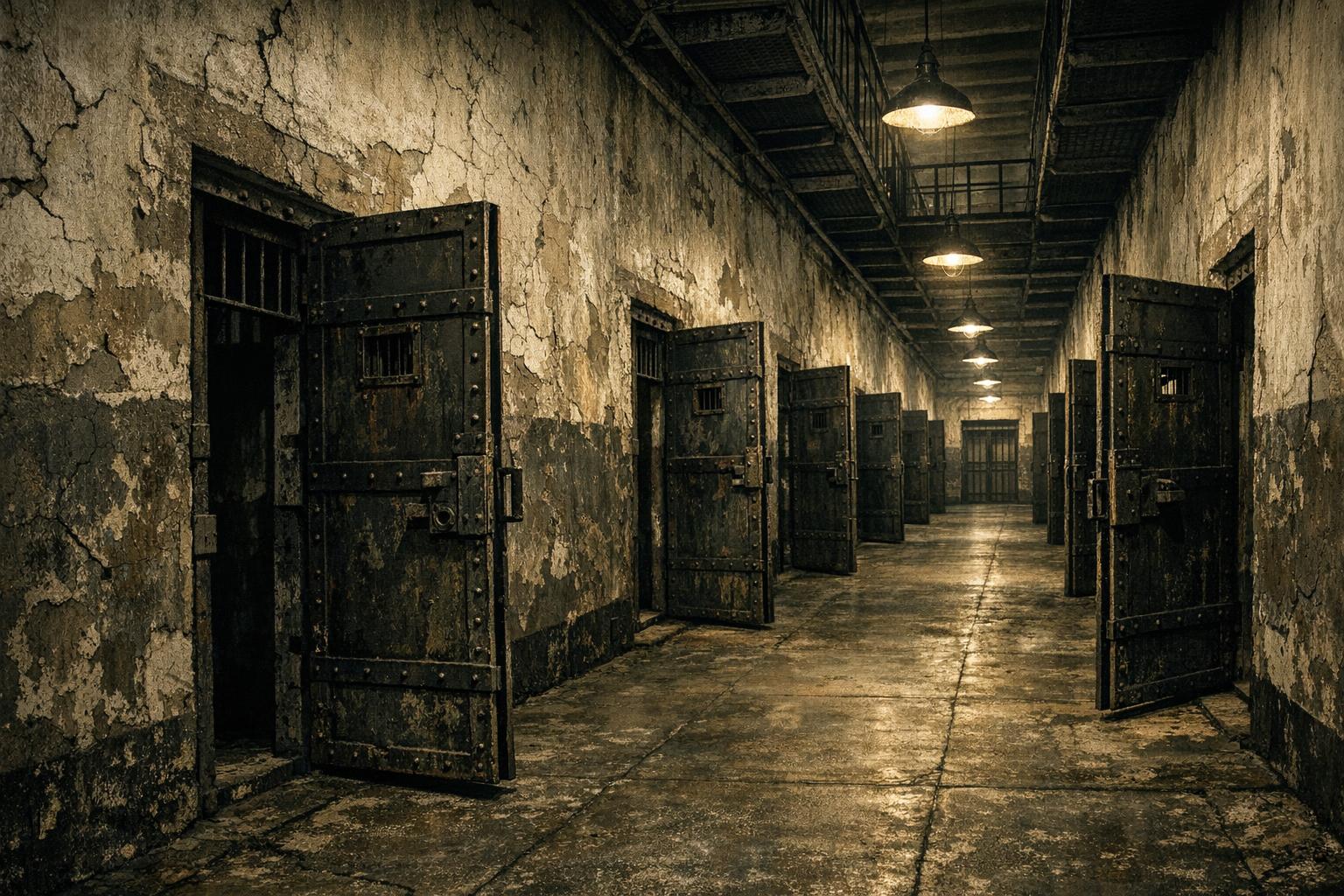
The prison was shut down and demolished in December 2002. One cell block survived. In 2013, sixty-three police officers were convicted for the massacre, receiving combined sentences totaling nineteen thousand nine hundred and eight years. The surviving block became the Paulista Penitentiary Museum inside São Paulo’s Parque da Juventude — a twenty-one thousand-piece collection of paintings, sculptures, furniture, tattoo machines, and makeshift weapons made by prisoners. Visitors can request to be locked inside a cell. Those who do describe the experience as not for the faint of heart, even knowing they can leave whenever they choose.
The weight visitors describe at Carandiru goes beyond historical interest. Decades of overcrowding, disease, gang control, and violence left something in the walls of the surviving block that the careful curation of the museum does not fully account for. A density. A pressure in the air. Visitors mention it without prompting — the sense of standing in a space that held this much, for this long, and ended the way it did. The Paulista Penitentiary Museum is five minutes from Carandiru metro station. The cell block is open. The walls have something to say.
Story Source: www.historyhit.com
Address: Museu Penitenciária Paulista, Parque da Juventude, São Paulo, Brazil
Accessibility Rating: Open to All — Freely accessible to the public with no advance requirement. Includes hotels, restaurants, bars, and public historic sites where visitors may walk in without prior booking.
Google Map
What Others Have Experienced
Standing inside the former prison grounds, some visitors notice the atmosphere shift — a strange, absolute quiet settles in around the old foundations still embedded among the park’s beams and pathways.
— from TripAdvisor
The site has been transformed into a clean, active park where you can exercise, read, or picnic — yet the remnants of Carandiru’s cell blocks push through everywhere you look.
— from TripAdvisor
The Museu da Memória do Carandiru inside the park shows how sport was the prisoners’ chief escape — a sobering window into daily life before the massacre.
— from TripAdvisor
Spacious grounds with trees and leisure facilities — crowds exercising and picnicking — but the visible ruins of the old cell block anchor the space firmly in its violent history.
— from TripAdvisor
Just a short walk from Carandiru metro station, this place has been likened to a smaller Ibirapuera — though few parks anywhere carry a history this heavy.
— from TripAdvisor