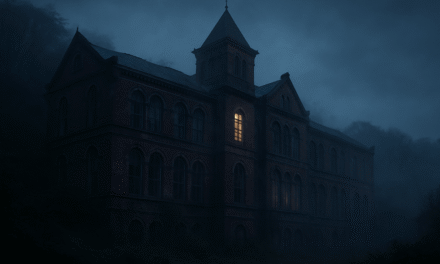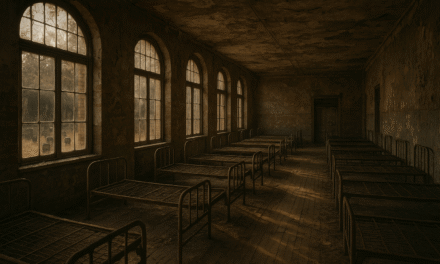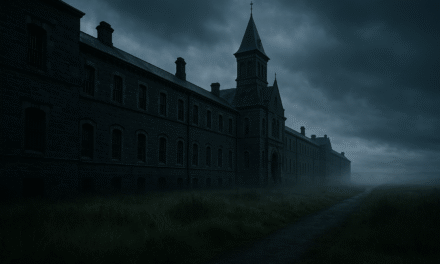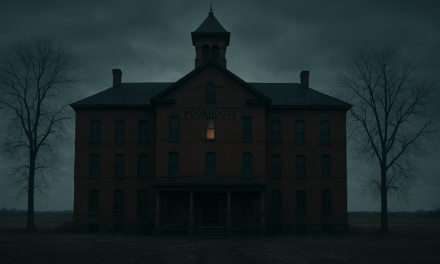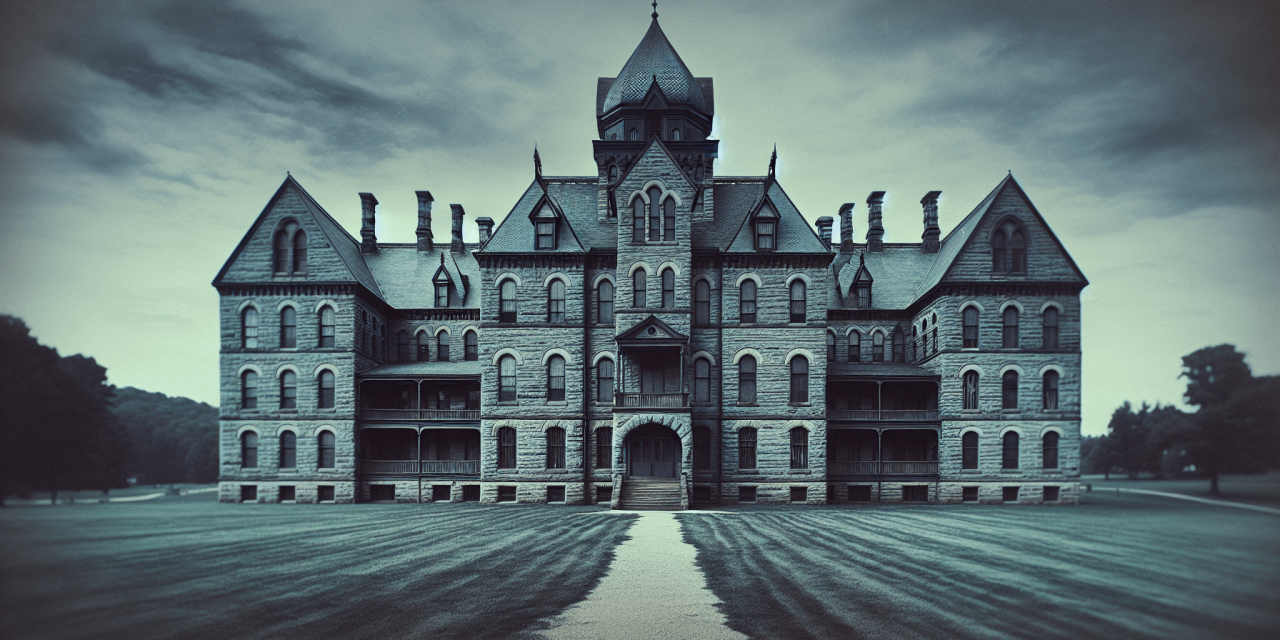
The blue sandstone walls of the Trans-Allegheny Lunatic Asylum rise four stories against the West Virginia sky like something quarried from a fever dream. Stand at the entrance on Asylum Drive in Weston and the building stretches in both directions farther than seems reasonable — 242,000 square feet of hand-cut stone, corridors that swallow sound, and a silence that settles over every visitor like a second skin.
Construction began in 1858 to architect Richard Snowden Andrews’s design, following the Kirkbride Plan — a progressive model that believed light, fresh air, and structured living could restore a troubled mind. What the building accumulated over the following 130 years was something else. Historian Titus Swan has estimated that deaths within the walls may number in the five figures. Among the accounts that persist is the story of Lily — a child born inside the asylum sometime in the 1920s to a young woman from a prominent English family who had been committed while pregnant. Both mother and daughter remained. Lily grew up among the adult wards, cared for by staff who treated her as something between a ward and a mascot. She died of pneumonia at approximately nine years old, having known no other home.
The asylum is now open for guided daytime tours covering the wards, treatment rooms, and the full arc of American psychiatric history — from Kirkbride’s optimistic reforms to Freeman’s ice picks to the deinstitutionalization movement that emptied institutions like this one. Evening ghost hunts and overnight investigations run throughout the year. The management has built an archive of submitted evidence. The Gothic stonework and vaulted ceilings of the central hall are reason enough for the visit.
Story Source: trans-alleghenylunaticasylum.com
Address: 71 Asylum Drive, Weston, WV 26452
Accessibility Rating: Booking Required — Open to visitors but requires advance reservation, ticket purchase, or tour booking.
Google Map
What Others Have Experienced
The asylum is the largest hand-cut sandstone structure in North America, and walking all four floors takes longer than most visitors anticipate. The vast empty wards, original medical equipment left in place, and the building’s complete visual isolation from its surroundings create an environment that feels genuinely removed from the present.
— from No Home Just Roam
The evening paranormal tour is rated differently from the daytime historical tour by visitors who have done both — the building in darkness, with the history of overcrowding and patient treatment recently absorbed, creates a more affecting experience. Tour group sizes are the most consistent complaint, with the most notable experiences occurring in smaller groups in the tighter sections of the upper floors.
— from TripAdvisor
Paranormal investigators report cold spots, physical sensations of being touched, and electronic equipment responding unusually in specific wards. The building’s history of housing over 2,400 patients in a facility designed for 250 is cited by investigators as the historical root of the reported activity density — the sheer accumulation of suffering in a confined space.
— from WV Tourism
The medical treatment exhibit rooms — featuring a straitjacket and hydrotherapy tub alongside artwork made by patients in therapy programs — create a specific emotional complexity that daytime visitors describe as the most affecting section of the historical tour. Objects inflicted on patients and objects created by patients in the same space produce a discomfort that a straightforward atrocity exhibit would not.
— from WV Explorer
The overnight investigation option, allowing independent exploration of the full building for 8 hours, generates the most detailed paranormal accounts from Waverly visitors. The ability to spend time in genuine silence within wards where thousands of patients suffered — with no scheduled group moving through — creates conditions that investigators describe as consistently producing results.
— from Trans-Allegheny Lunatic Asylum