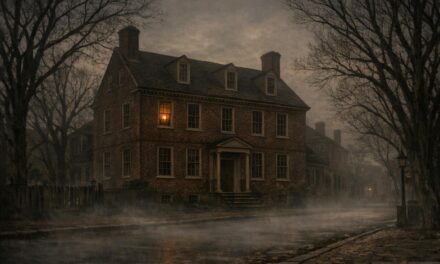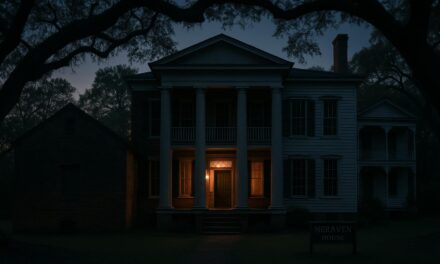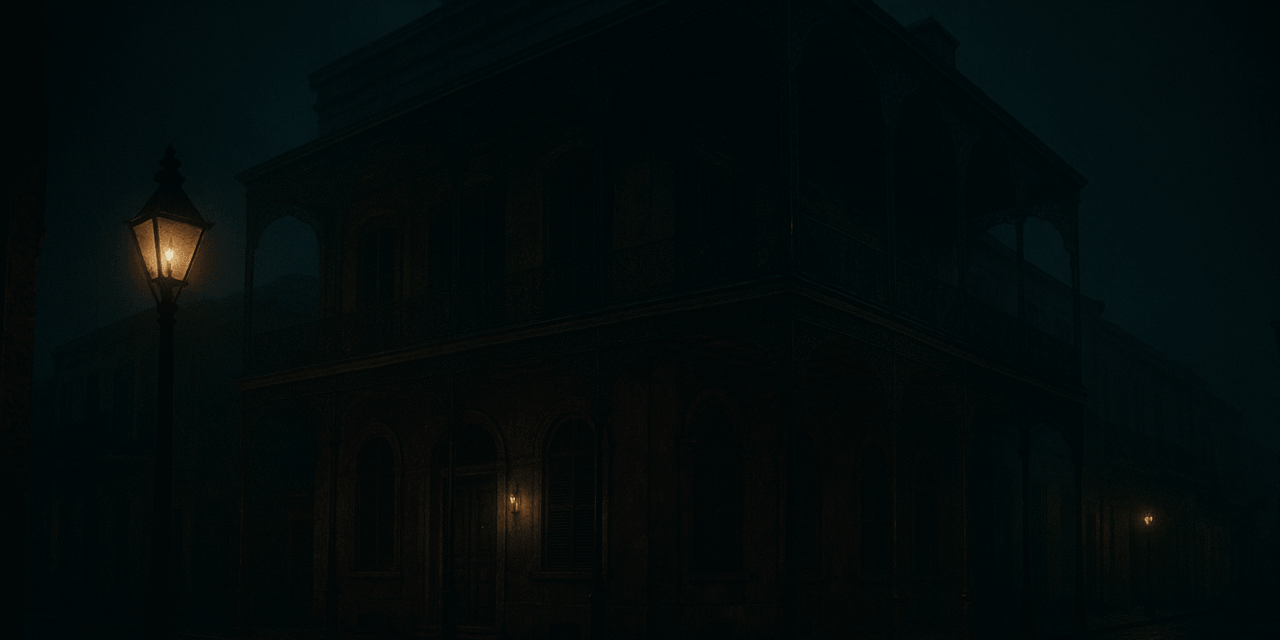
At 716 Dauphine Street in New Orleans’ French Quarter, a mansion sits with the composed opacity of old Creole architecture, giving nothing away to the sidewalk. Inside, it holds a designation earned in the 1860s and never relinquished: the most blood-soaked mansion in New Orleans. The Sultan’s Palace occupied this address when a slaughter from which no one survived took place within its walls. The screams that the building absorbed that night are still reported by people who enter without knowing the history when they arrive.
What happened at 716 Dauphine in the 1860s was a massacre so total it left no survivor to give a firsthand account, followed by a fire — the burning that never fully ended — that may have been set to erase the evidence along with the people. It succeeded at neither. The building survived. The history survived. Accounts have accumulated across more than a century and a half of occupants and visitors: sounds from inside the walls in the late hours, specifically screams, coming from the spaces where the slaughter occurred, consistent in description across people who knew nothing of what had happened there.
The Sultan’s Palace still stands on Dauphine Street, in a neighborhood that is simultaneously one of America’s most visited tourist districts and one of its most genuinely old urban environments. For the traveler, 716 Dauphine offers something specific: not atmosphere invented for tourism, but a documented address of documented violence, still present in the walls, still audible to those who arrive when the Quarter is quiet enough to listen.
Story Source: www.nola.com
Address: 716 Dauphine St, New Orleans, LA 70116
Accessibility Rating: No Public Access — Private property, active restricted site, or location no longer physically accessible to visitors.
Google Map
What Others Have Experienced
In 1979, the property owner’s wife had climbed into bed in the building’s penthouse apartment when she saw a dark figure standing at the foot of her bed and beginning to glide toward her across the floor. She scrambled to turn on the bedside lamp, but when the lights came on the figure had completely vanished, leaving no trace. The experience is considered one of the building’s most credible firsthand accounts because the witness was the property owner herself, not a transient visitor.
— from Ghost City Tours
The building’s next owner described the supernatural activity as quiet but persistent: personal belongings would disappear from where they were left and reappear somewhere else with no explanation, with keys being the most frequently moved item. The owner described the phenomenon matter-of-factly, accepting that objects moved on their own in the building as a fact of life there.
— from Ghost City Tours
A tenant who moved into the first-floor apartment described watching his dog get shoved bodily down a flight of stairs by a force he could not see. After the incident, the animal flatly refused to enter the living room unless physically carried inside by its owner. The dog’s persistent avoidance of that space was treated by paranormal researchers as significant evidence that something in the apartment was actively making its presence felt even when humans could not perceive it.
— from Ghost City Tours
Passers-by and residents of adjacent buildings have repeatedly reported the smell of exotic incense drifting from the building with no identifiable source on the exterior. Multiple accounts also describe seeing the faces of veiled figures peering from the upper windows before vanishing, and late-night screaming has been reported coming from inside the structure — sounds neighbors have described as belonging to people in genuine terror.
— from Very Local
Tenants have described seeing a robed, turbaned figure standing silently at the foot of their beds — believed to be the spirit of the sultan from the massacre legend. Ghostly footsteps running through the building in apparent panic have been reported on multiple floors, sometimes accompanied by the sensation of people rushing through an empty corridor alongside the living.
— from Very Local