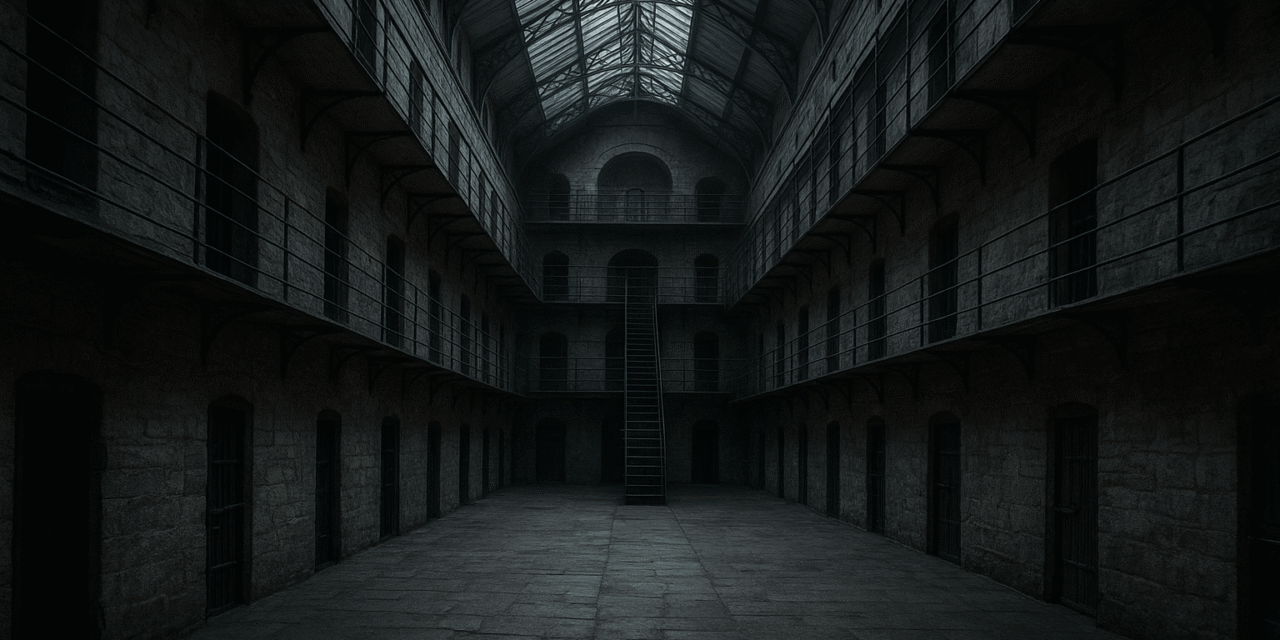
Kilmainham Gaol opened in 1796 on a rise in western Dublin, built by the British administration to hold the rebels it knew were coming. What came was nearly every significant figure in the Irish independence movement: Robert Emmet, the Young Irelanders, the Fenians, Charles Stewart Parnell, and finally the leaders of the 1916 Easter Rising. Between May 3 and 12, 1916, fourteen men were executed in the stone-breakers’ yard. James Connolly, wounded and unable to walk, was carried on a stretcher and tied to a chair to be shot. The executions transformed Irish public opinion and the men became martyrs.
The haunting concentrates in the places where the most specific things happened. First: the chapel, where Joseph Plunkett married Grace Gifford at midnight, hours before his execution at dawn, with prison guards holding candles over the ceremony and ten minutes allowed together before he was returned to his cell. Guides describe the chapel as a space that demands a composure other parts of the building do not. The stone-breakers’ yard, marked only by a simple cross, produces consistent reports of temperature drops and a presence the historical account alone does not explain. Cell 88 in the west wing is named in guides’ standard accounts for what visitors regularly report there.
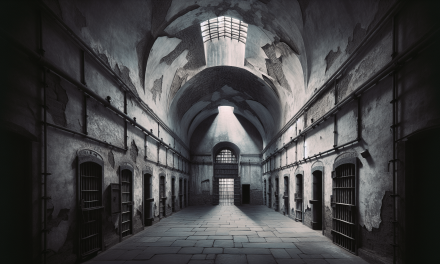
The gaol was decommissioned in 1924 and restored through community effort in the 1960s, opening as a museum in 1971. Tours run daily and treat the paranormal record with the same seriousness as the political history. The east wing’s vaulted ceiling, the chapel, the yard: all of it is accessible. The building does not dress itself in theatrics. It does not need to.
Story Source: kilmainhamgaolmuseum.ie
Address: Inchicore Rd, Kilmainham, Dublin 8, Ireland
Accessibility Rating: Guided Tours Only — Access permitted only as part of an organized tour. Independent exploration not allowed.
Google Map
What Others Have Experienced
Governor Dan McGill, stationed at the jail during 1960s renovations, observed the chapel lights repeatedly switching back on each time he turned them off; the cycle continued several times throughout the same night.
— from Haunted Rooms
A painter working alone in the dungeon during the same renovation period was struck by an unseen force that pushed him across the room and pinned him against the wall. He abandoned his equipment on the spot and refused to return.
— from Haunted Rooms
Restoration workers repeatedly heard the sound of footsteps running up to them through empty corridors and stopping directly beside them, followed by a sudden icy chill. The distant trudge of marching boots, as if soldiers were parading, was also a regular occurrence.
— from Haunted Rooms
Current visitors frequently describe people in period dress to their tour guides, only to be told no such people exist on the premises. The chapel area in particular gives visitors and guides alike the persistent feeling of a malevolent presence watching them.
— from Haunted Rooms
Multiple mediums who have visited the gaol describe encountering an evil entity specifically in the chapel. Disembodied voices, cell doors slamming shut unprompted, and visitors being pushed by an unseen force are among the recurring reports from guided tours.
— from Haunted Rooms