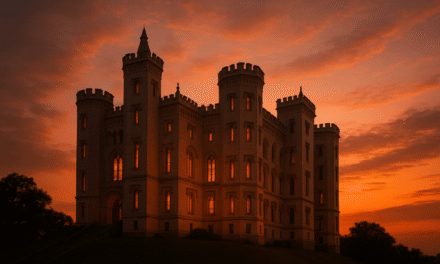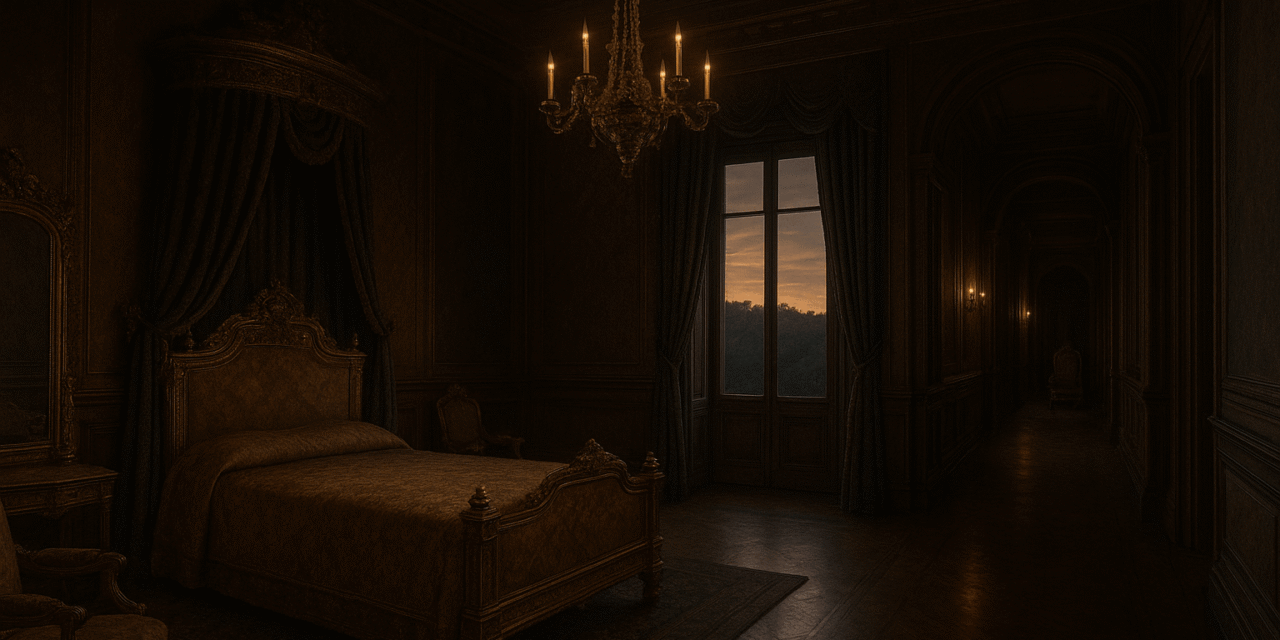
Chapultepec Castle rises above Mexico City on a hill that was already sacred long before any European set foot in the valley. Construction began in 1785 under Spanish colonial rule, but the building achieved its current character in 1864, when Emperor Maximilian I of Mexico and his wife, Empress Carlota of Belgium, made it their imperial residence. The European furnishings they installed, the terraced gardens they planted, and the view from the upper terraces—Mexico City spreading to volcanic peaks on the horizon—remain, preserved inside what has been the National Museum of History since 1944.
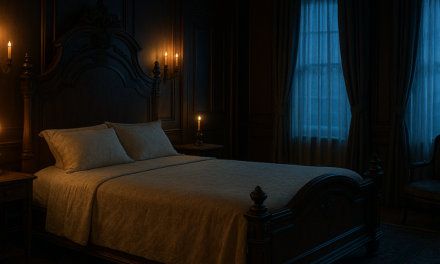
The castle holds two hauntings. The first belongs to the Niños Héroes: six young military cadets—Juan de la Barrera, Juan Escutia, Francisco Márquez, Agustín Melgar, Fernando Montes de Oca, and Vicente Suárez—who died defending the building during the Battle of Chapultepec on September 13, 1847, when American forces stormed it during the Mexican-American War. The second belongs to Carlota. She left for Europe in 1866 to seek support for Maximilian’s failing empire, began showing signs of madness during those audiences, and received word from afar that Maximilian had been executed by firing squad on June 19, 1867. She never returned. She died in Belgium in 1927. Her ghost is said to roam the imperial bedrooms she occupied for just three years.
The imperial apartments are open to museum visitors. Staff who spend extended time in the imperial suite describe what they describe carefully: presences in empty rooms, a quality in the air that visitors who know nothing of the history mention unprompted. The castle asks no particular belief of you. It only asks that you spend time in those rooms.
Story Source: haunteddiary.com
Address: Bosque de Chapultepec I Sección s/n, Bosque de Chapultepec, Miguel Hidalgo, Ciudad de México, Mexico
Accessibility Rating: Open to All — Freely accessible to the public with no advance requirement. Includes hotels, restaurants, bars, and public historic sites where visitors may walk in without prior booking.
Google Map
What Others Have Experienced
Museum employees report that Carlota’s piano plays on its own after the castle locks for the night, and that room doors open and close with no one near them. Workers who have stayed after hours describe the sounds as unmistakable.
— from Telediario México
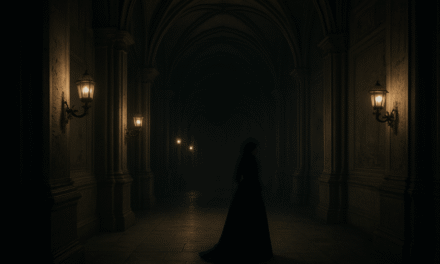
Shadows shaped like a woman’s silhouette have been seen moving through the castle at night; employees describe the figure as appearing to search the halls. The association with Empress Carlota — declared clinically insane after her husband Maximilian’s execution in 1867 — is widely shared among staff.
— from Telediario México
Night guards have reported hearing echoes of marching boots, whispers, and piano notes drifting through the Alcázar long after the building is locked to the public. The sounds stop whenever anyone tries to find the source.
— from Chapultepec Castle Tickets
Visitors describe hearing heavy footsteps and the sound of dragging chains; some report seeing figures that appear to be cadets standing in guard positions. The association is with the Niños Héroes — six young cadets who died defending the castle during the 1847 Battle of Chapultepec.
— from Telediario México
In 2024, a visitor photographing one of the imperial carriages on display captured what appeared to be a young woman’s face looking downward through the glass. The area around the carriage was otherwise empty; many viewers online compared the figure to Empress Carlota.
— from Infobae