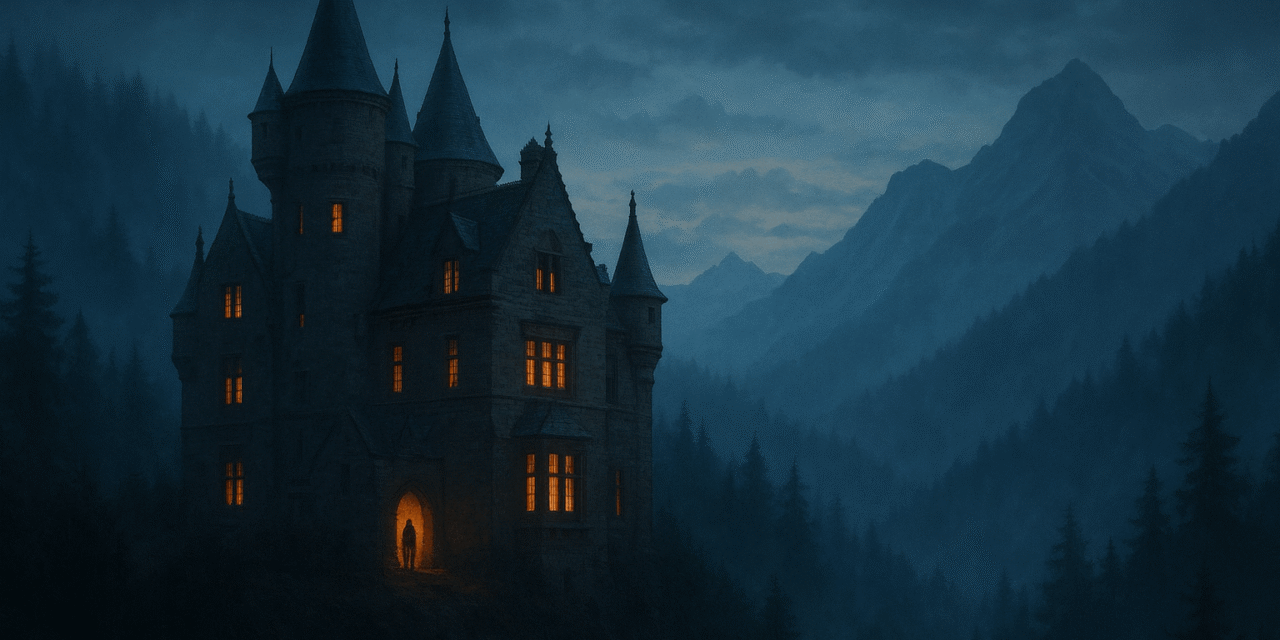
The Viceregal Lodge in Shimla is an architectural argument in stone: a full Scottish baronial manor with turrets and gabled rooflines on a Himalayan ridgeline at 2,200 meters, built in 1888 as the Viceroy’s summer residence. Every summer the colonial government migrated from the plains to Shimla, and the lodge sat at the center of that world — hosting the conferences that shaped India’s future, served day and night by Indian staff whose names the official records did not bother to preserve.
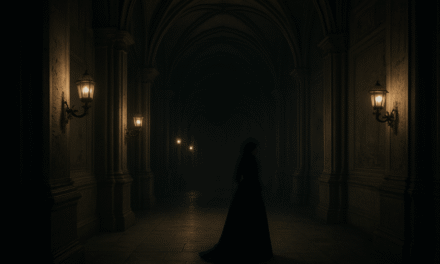
The haunting comes in two distinct forms. The angrez chudail — a foreign female ghost, a white woman reported in the upper corridors for generations — is more residue than narrative: the trace of European female presence in a building that once held it in abundance. The nakalchi bhoot is stranger: a mimicking presence, sounds heard in one place that seem to originate elsewhere, voices carrying around corners with no visible source. Researchers report the particular feeling of being followed by something that is not there when looked at directly.
After independence in 1947 the lodge became the Indian Institute of Advanced Study, and scholars moved into the rooms viceroys had occupied. What did not move was the knowledge accumulated by the Indian staff — which doors stuck, which hallways carried sound, which rooms were cold in the morning. That knowledge had nowhere to go when the world it served ended. It persists in the building instead, in ways that scholars working late into the Himalayan dusk have found difficult to explain.
Story Source: www.outlookindia.com
Address: Observatory Hill, Shimla, Himachal Pradesh 171005, India
Accessibility Rating: Guided Tours Only — Access permitted only as part of an organized tour. Independent exploration not allowed.
Google Map
What Others Have Experienced
Doors in the Viceregal Lodge have been reported opening by themselves in otherwise still and silent corridors, and visitors in the deserted sections of the building frequently encounter pockets of cold so pronounced they stop walking — noted independently by multiple visitors who describe no drafts or open windows as explanation. The building’s history as the seat of British imperial administration in India is said by locals to have left its occupants permanently embedded in the structure.
— from travel.india.com
The ghost of Lady Curzon — wife of the Viceroy of India between 1899 and 1905 — is the most frequently named spirit at the lodge, described as roaming the grassy lawns after dark or gliding down the grand teak staircase inside. After dusk, visitors describe hearing the distinct tapping of shoes on the wooden floors in sections of the building confirmed to be empty, and shadowy forms have been reported moving through the interior corridors.
— from travel.india.com
Tourists who visit the lodge during daytime hours have reported small personal belongings going missing without explanation — particularly keys and phones — an occurrence specifically associated with the spirit of Lady Curzon, who is believed to move visitors’ possessions as a form of acknowledgment. Several visitors have also described a persistent sensation of being watched or followed while walking through the lodge’s formal gardens, distinct from the general unease that the building’s history naturally produces.
— from travel.india.com
Multiple accounts describe unexplained footsteps echoing through empty hallways in the building’s interior, particularly in areas now used as offices and seminar rooms by the Institute of Advanced Study that currently occupies the property. The sounds are described as having the quality of shoes on hardwood — sharp, deliberate, and rhythmically human — heard in sections of the building confirmed to be unoccupied at the time of the reports.
— from Destinations Desire