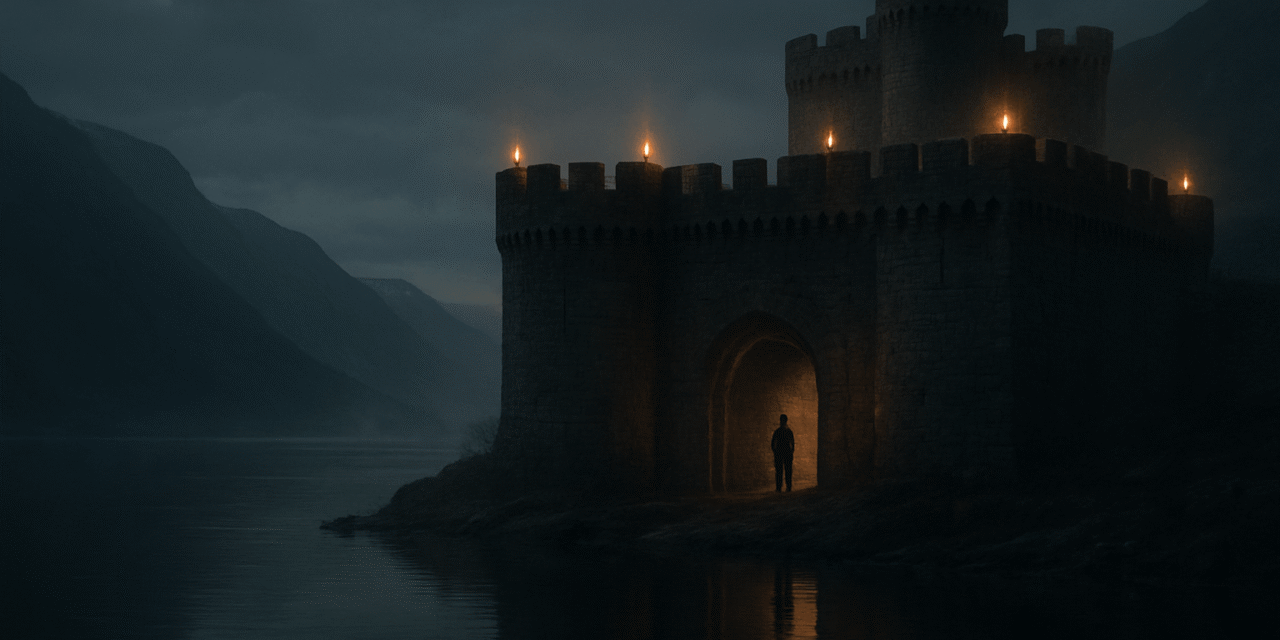
At the gate of Akershus Fortress, something has been waiting for seven centuries. Norwegian tradition calls it Malcanisen — a large black creature, red-eyed and silent, that paces the entrance to the fortress above the Oslofjord. The legend is compact and unambiguous: whoever sees it will die. No timeline is offered, no explanation given. The sight of the dog at the gate is simply the end of your luck.
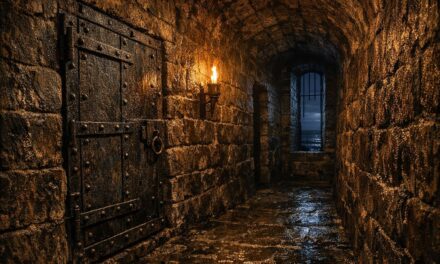
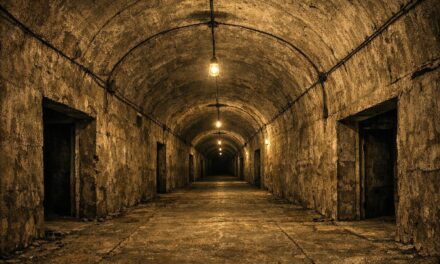
The fortress has been accumulating reasons to be haunted since the late 1290s, when King Haakon V ordered its construction on the promontory above Oslo. Centuries of prisoners cycled through its dungeons — the worst held in Mørkekammeret, the Dark Chamber, where no light entered and some men died before ever leaving, buried within the grounds. The ghost called Mantelgeisten, a female figure in the chapel and residential halls, has been described identically by independent witnesses who had no contact with each other. Then came 1940, when Nazi Germany seized the fortress as headquarters of the occupation. Norwegian resistance fighters were interrogated and executed in the courtyard. Thirty-seven of them died here — their names recorded, their deaths documented, the ground where they fell still there.
The Norwegian Resistance Museum now stands adjacent to that courtyard, and visitors walk past it every day. After the war, Vidkun Quisling — whose name became the word for collaboration — was himself executed at Akershus. The fortress has been open to the public since. The dungeons are accessible on tours. The courtyard is walkable. And the gate, where seven centuries of Norwegian tradition insist Malcanisen still paces without sound, remains open to whoever chooses to enter. What the creature is selecting for, across all these centuries, the legend has never explained.
Story Source: TV series titled “Akershus slott og festning gjennom 700 år” (NRK, 2014)
Address: Akershus Fortress, Festningsplassen, 0150 Oslo, Norway
Accessibility Rating: Open to All — Freely accessible to the public with no advance requirement. Includes hotels, restaurants, bars, and public historic sites where visitors may walk in without prior booking.
Google Map
What Others Have Experienced
A local Oslo reviewer described Akershus as one of the city’s most haunted locations, pointing to the persistent legend of the ghost dog that appears after dark along the castle’s many pathways — a grey shape with glowing eyes said to be the spirit of a guard dog deliberately buried alive at the gate to serve as a supernatural sentinel. What they found most striking was that the fortress, despite its deeply haunted reputation, remains in active daily use.
— from TripAdvisor
A self-described skeptic who visited in late autumn came away from the fortress genuinely unsettled, though they couldn’t point to any single incident. They speculated that the persistent sound of crows cawing overhead may have contributed to the atmosphere, which left them feeling as though something unseen was watching from within the old stone walls.
— from TripAdvisor
A travel guide reporting on visitor and staff accounts describes a recurring pattern of unexplained activity: sourceless footsteps echoing through stone corridors, disembodied whispering voices, and sudden odors with no identifiable origin. Among the specific figures reported is the Mantelgeisten — a faceless woman in a long dark cloak said to materialize in the fortress’s Margaretasalen hall — and a gatekeeper spirit known for pressing close behind visitors and breathing on their necks.
— from Campervan Norway
A travel blogger visiting Oslo explored the fortress specifically to see the Resistance Museum but found themselves absorbed by its paranormal lore, particularly the story of Malcanisen — the dog said to have been buried alive at the main entrance so its ferocious spirit could serve as an eternal defender. They noted that the deliberate, calculated intention behind the haunting made the legend feel more unsettling than typical ghost stories, and that the fortress’s medieval stone archways gave the entire visit an atmosphere well suited to believing it.
— from The Unexpected Traveller
A Norwegian heritage organization notes that the fortress draws more than three million visitors each year, a notable portion arriving specifically to encounter the supernatural — including reports of ghostly guards materializing at their old posts before vanishing without trace. Local legend holds that anyone who spots the spirit of an enormous black dog on the fortress grounds has received an omen of violent death.
— from Sons of Norway