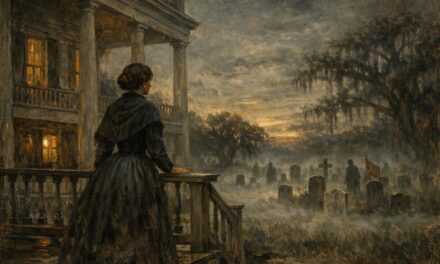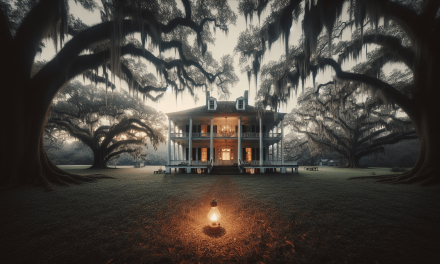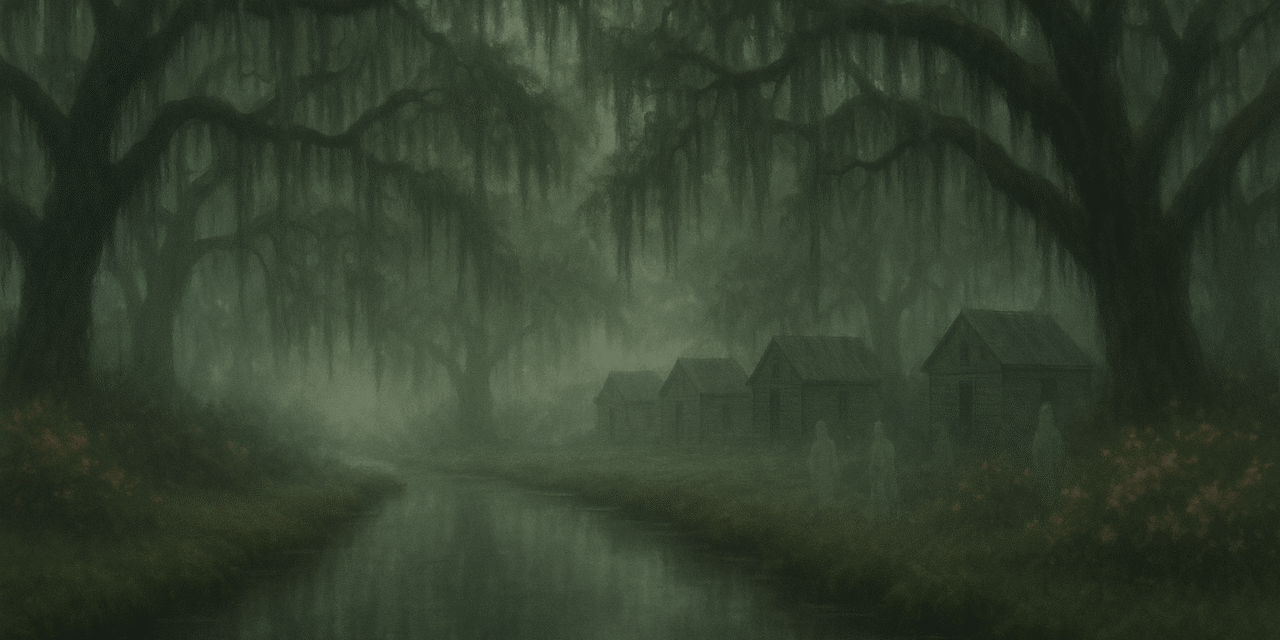
Magnolia Plantation and Gardens on the Ashley River near Charleston, South Carolina, was established around 1676 by Thomas Drayton, whose family would own the property in an unbroken line for more than three centuries. The gardens they created — acres of azaleas, camellias, moss-hung live oaks, canals, and reflecting ponds — are among the oldest ornamental landscapes in America and became a tourist destination as early as the 1870s, after the Civil War destroyed the plantation’s agricultural economy. What the Draytons sold tickets to was beauty built entirely by enslaved people. The main house was burned by Union troops; the slave cabins survived. The original wooden structures still stand at the edge of the formal garden, preserved by their own modesty, among the most intact examples of antebellum slave housing anywhere in the South.
The plantation held hundreds of enslaved people across nearly two centuries of operation — rice, indigo, cotton grown on a landscape where the gardeners had no freedom to leave what they made. The burial grounds are at the property’s edges, many graves marked only with shells and pottery shards in the West African tradition, or with wooden stakes long since rotted, or not marked at all. Plantation records account for some of the dead but not all. The number of people buried in this land exceeds what any documentation can fully name.
Ghost accounts at Magnolia concentrate at the property’s margins — the older paths, the perimeter near the burial grounds, the predawn hours before visitors arrive. What people describe is not threat or spectacle but a quality of observation: the sustained sense of being watched, specifically and deliberately, in a landscape where that kind of attention carries its full historical weight. A longtime staff member described seeing figures in the garden paths at dawn, moving along routes that followed the older alignments of the property, and came to understand them as simply continuous with the land they had never left.
Story Source: www.magnoliaplantation.com
Address: 3550 Ashley River Rd, Charleston, SC 29414, USA
Accessibility Rating: Walk-In Friendly
Google Map
What Others Have Experienced
During a guided house tour, a visitor became dizzy inside what the guide identified as Thomas’s office, with the persistent feeling of someone repeatedly tapping on his shoulder. After the tour, while trying to photograph in the gift shop, his phone stopped functioning — refusing to power on despite showing a full battery. The moment the group left the plantation grounds and reached the road, the phone switched on by itself. The battery was still full.
— from South Carolina Haunted Houses
A visitor touring the main house with his wife described the experience of walking through the front door and being immediately overwhelmed by a crushing physical heaviness — he described it as wearing twelve wet wool blankets — that made him lose his balance and nearly pass out. They left immediately. That night, back at the hotel, he experienced a prolonged series of nightmares in which the dominant sensation was the grief of a parent who had permanently lost a child. He states he would never return voluntarily.
— from South Carolina Haunted Houses
A visitor recounting a fifth-grade field trip to Magnolia Plantation describes stepping inside and the temperature dropping instantly despite the heat outside. Walking toward the fields, she saw what she describes as a young woman crying, and then multiple figures — young and old — walking through the grounds. The waves of anger, sadness, confusion, and hopelessness that followed overwhelmed her until she collapsed and was taken to hospital. Writing about it as an adult, she says she will never return.
— from South Carolina Haunted Houses
On a 90-degree summer day, a visitor felt unexplained goosebumps on their left arm in the second-floor bedroom, then an intense, localized cold on their left side in the gift shop — which occupies the plantation’s original servants’ quarters. They checked for vents, draughts, and refrigeration units but found nothing. Standing there thinking about the enslaved workers whose home that corner had once been, they whispered an apology before leaving. The cold on their left side persisted long after they had walked away.
— from South Carolina Haunted Houses
In 2009, the Ghost Adventures television crew filmed inside the plantation’s slave cabins and recorded unexplained chanting and tapping sounds with no identifiable source. A separate Ghost Hunters investigation later captured additional unexplained phenomena in the same location: disembodied music, a cough, and a woman’s voice asking “What are you doing?” in an empty room. The plantation has also been featured on Scariest Places on Earth. The brick slave quarters — originally cramped two-room cabins housing entire families — are described by investigators as among the most active areas on the grounds.
— from South Carolina Haunted Houses