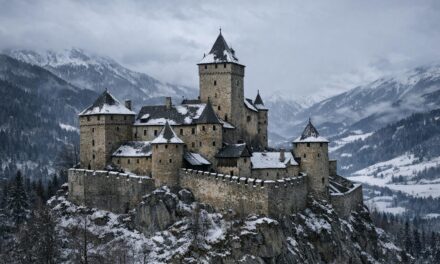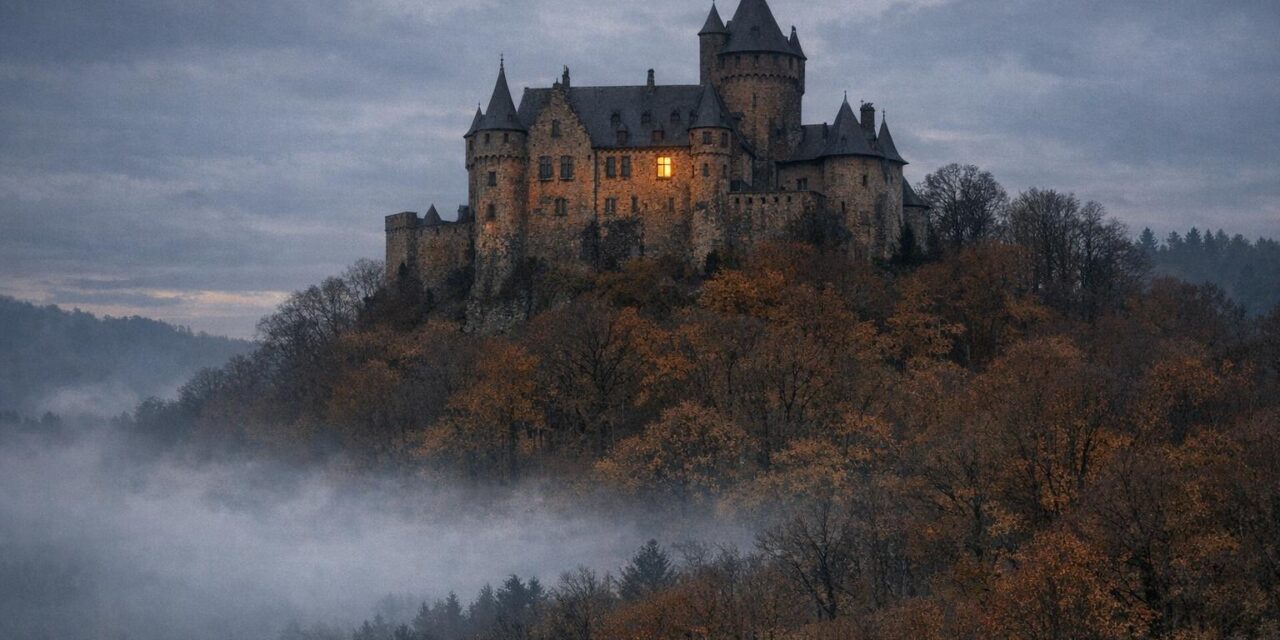
Ksiaz Castle in southwestern Poland has been standing since the thirteenth century, but it is two overlapping catastrophes that define it now: the woman who loved it and lost everything, and the mountain the Nazis hollowed out beneath it. Princess Daisy—born Mary Theresa Olivia Cornwallis-West in Wales in 1873, married into the Hochberg family at eighteen—made the castle famous as its most celebrated occupant, a socialite and beauty whose guest lists read like a directory of European power and whose diaries suggest she understood the coming war more clearly than most of the men preparing it. The Nazis seized Ksiaz in 1941, stripped its historic interiors, and put forced laborers from the nearby Gross-Rosen concentration camp to work excavating tunnels 165 feet into the sandstone bedrock. The project—codenamed Riese, meaning “Giant”—was never completed. Its purpose was never documented.
Daisy died in exile in 1943. Her servants moved her body from the Hochberg Mausoleum near the castle, then moved it again, protecting it from Soviet soldiers who occupied the area from May 1945 until late 1946. They moved it enough times that they lost track of where it ended up. The resting place of Princess Daisy of Pless remains unknown. In 2015, two men announced they had located a sealed section of tunnel beneath the surrounding mountains containing a Nazi gold train hidden from the Soviets in 1945—a legend that had circulated in Walbrzych since the 1970s. The mountain confirmed nothing.
People who stay in the castle overnight report a woman in early twentieth-century dress standing at a window in the upper floors, looking out at the forest. She does not turn when entered. She stands with the patience of someone who has been watching the same view for a very long time. Daisy wrote about Ksiaz with the tenderness of someone who knew a place had become part of who she was. She was removed from it, died in exile, and her grave was lost. She returned to the one place she always knew exactly where she was.
Story Source: english.aawsat.com
Address: Piastów Śląskich 1, 58-306 Wałbrzych, Poland
Accessibility Rating: Guided Tours Only — Access permitted only as part of an organized tour. Independent exploration not allowed.
Google Map
What Others Have Experienced
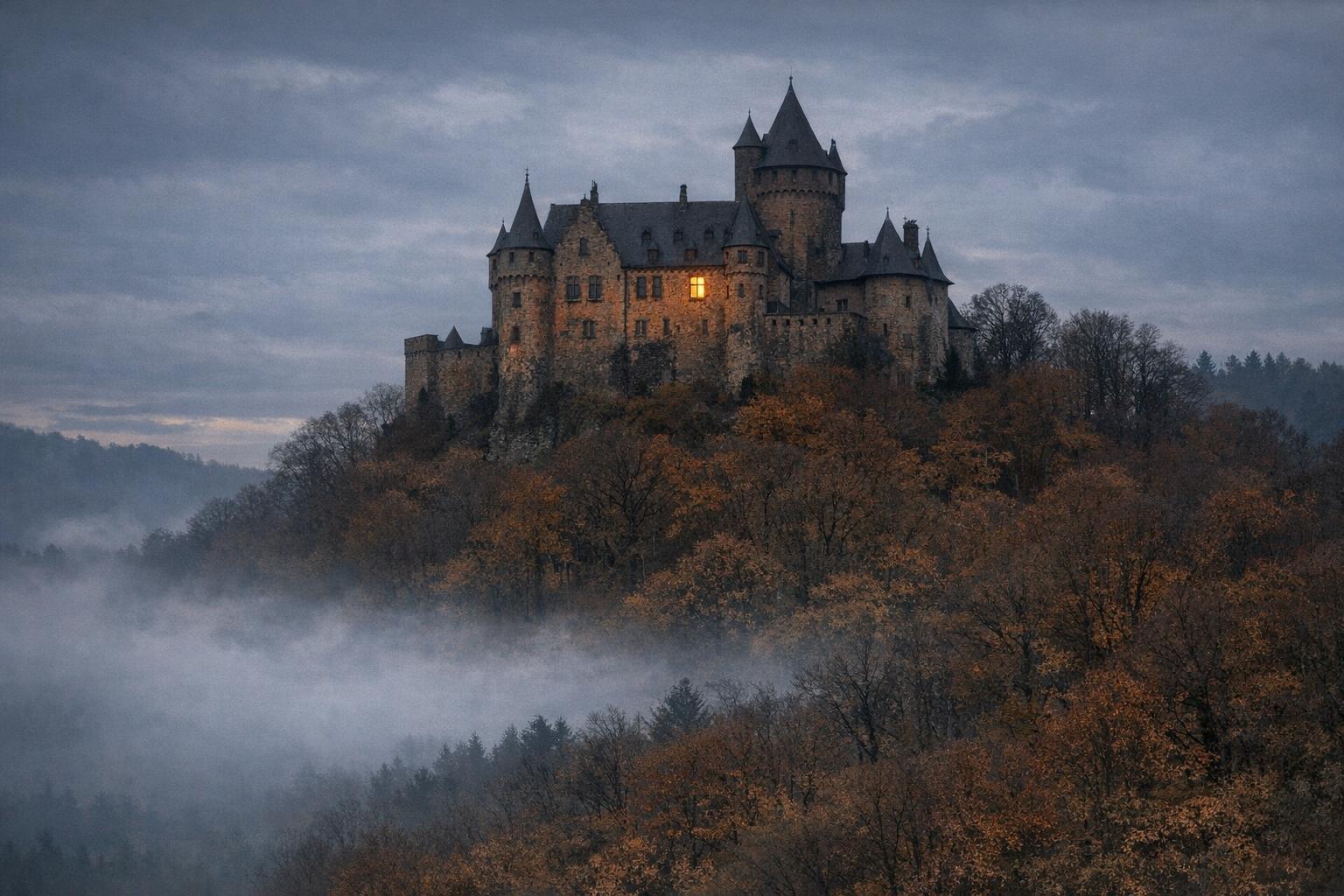
The visitor described arriving on a day when fog unexpectedly rolled in and settled around the castle, intensifying its fairy-tale quality. The mist made the surrounding forest feel cut off from the modern world and lent the old stone walls an air of quiet menace.
— from TripAdvisor
Walking through the tunnels carved into the bedrock by wartime labor, a visitor said the underground sections gave them a visceral sense of the scale and horror of what had happened there. The weight of that history made the experience feel more like bearing witness than sightseeing.
— from TripAdvisor
One visitor said the walk from the car park suddenly opens to a full view of the castle and the impact was immediate — a genuine moment of awe before even stepping inside. The tunnel tour afterward gave the whole place a darker, more disturbing edge.
— from TripAdvisor
A visitor described the castle as holding fascinating secrets from the Second World War that most people don’t expect when they arrive. The experience was described as genuinely breathtaking, with the underground excavations leaving the deepest impression.
— from TripAdvisor
The underground tunnels, part of the Nazi Riese construction project, are what set Ksiaz apart from other European castle visits according to one reviewer. The knowledge of what was built beneath the castle, and by whom, casts a long shadow over the entire experience.
— from TripAdvisor