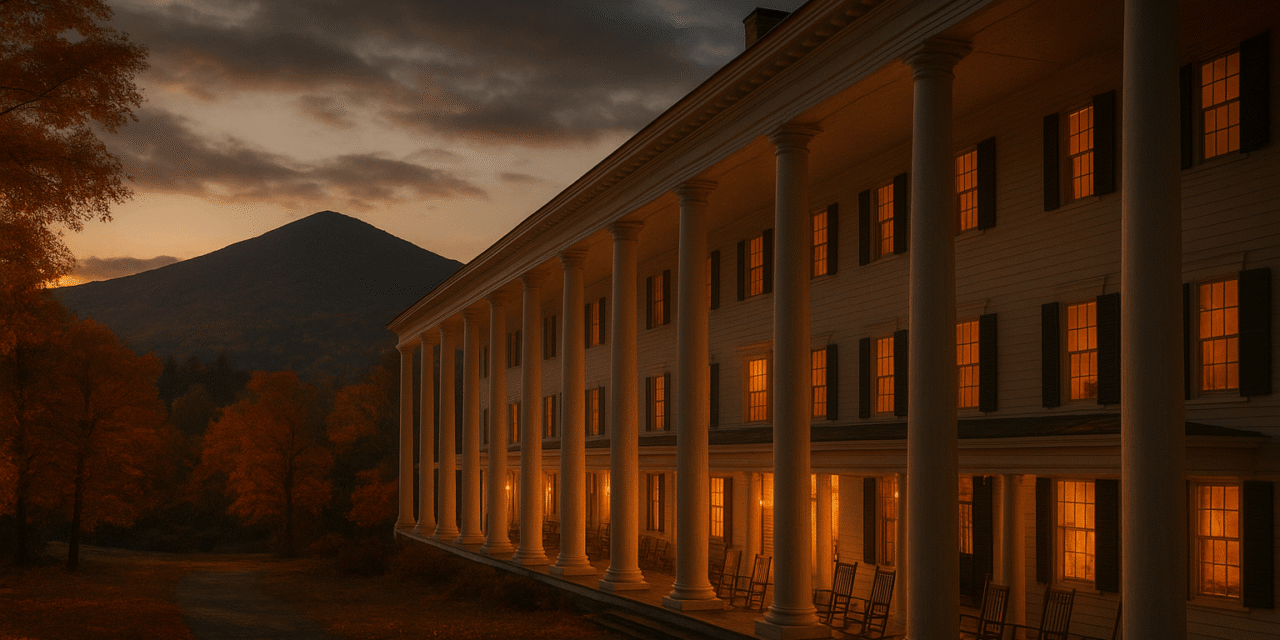
The Equinox Resort has stood at the edge of Manchester Village, Vermont since 1769, when William Marsh turned a roadside tavern into a proper inn for the travelers and summer visitors already discovering the valley between the Green Mountains and Mount Equinox. It has been expanded, rebuilt after fires, and renovated into the grand white-columned resort it is today—but the oldest bones of the building remain, and with them, according to guests and staff across many generations, something that never fully checked out.
The hotel’s most documented chapter belongs to the Lincoln family. In the summers of 1863, 1864, and 1865, Mary Todd Lincoln brought her sons Robert and Tad to the Equinox to escape Washington’s heat and the psychological weight of a White House at war. Abraham Lincoln remained in the capital but sent telegrams and reportedly visited at least once. The summer of 1865 came after the assassination, and Mary Todd Lincoln arrived in Vermont as a widow in acute grief—her second son dead from illness in 1862, her husband dead from an assassin’s bullet in April, her surviving sons more and more distant. What she carried into those rooms left something behind. Staff have described, for decades and without coordinating their accounts, a quality in certain older rooms that registers as sadness rather than malice—a presence that watches without threatening, that occupies space without taking it.
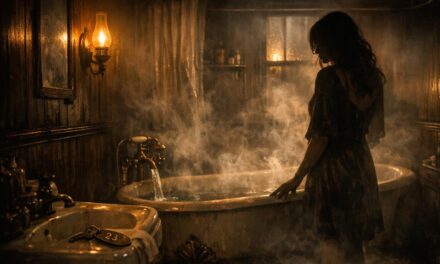
The hauntings at the Equinox are quiet ones: unhurried footsteps in empty corridors, a cold spot near the older wing that persists regardless of season, the sound of a child’s voice that stops the moment it is noticed. The mountain above the valley—sacred territory to the Abenaki long before any inn stood here—may explain something about why this particular land holds what it holds. At the Equinox, the rocking chairs face the mountain and the past sits companionably in several of them.
Story Source: www.equinoxresort.com
Address: 3567 Main St, Manchester Village, VT 05254, USA
Accessibility Rating: Booking Required — Open to visitors but requires advance reservation, ticket purchase, or tour booking.
Google Map
What Others Have Experienced
Two members of the housekeeping staff, working independently on the third floor, both described the same encounter: a brief apparition of a woman and a young child that vanished the moment they looked directly at it. Familiar with photographs of the President’s wife, both believed what they saw was Mary Todd Lincoln and one of her children — who had visited the Equinox in the summer of 1865, just months before Lincoln’s assassination.
— from Ghosts of New England
Guests have returned from stays with a consistent cluster of experiences: whispers from empty corners of the room, a sudden chill passing through the air, and the fleeting impression of a full figure glimpsed at the edge of vision before it vanishes. Most unsettling, according to repeat visitors, is a feeling — difficult to explain but impossible to dismiss — that the room is not entirely unoccupied.
— from Haunted Places to Go
Among the more specific reports from overnight guests: personal belongings discovered moved from where they were left before bed, and lights switching on without explanation in the middle of the night, waking guests from sleep. Paranormal investigators who have examined the property describe the activity as residual — echoes of past events imprinted on the building, rather than deliberate contact from an intelligent presence.
— from Haunted Places to Go
Mary Todd Lincoln had arranged to return to the Equinox with her family for the summer of 1865. Abraham Lincoln’s assassination in April of that year ended those plans entirely. Some accounts suggest that the weight of that severed intention — of a summer that never came — may account for part of what visitors sense lingering in the older floors of the hotel.
— from Vermonter.com
Guests who arrive expecting only a luxury Vermont retreat sometimes leave with something else on their minds. The hotel has stood in Manchester Village since 1769, and its oldest sections carry a quality of stillness — cold pockets appearing in warm corridors, and the recurring sense among those who spend the night that the building’s long history is not entirely at rest.
— from Ghosts of New England