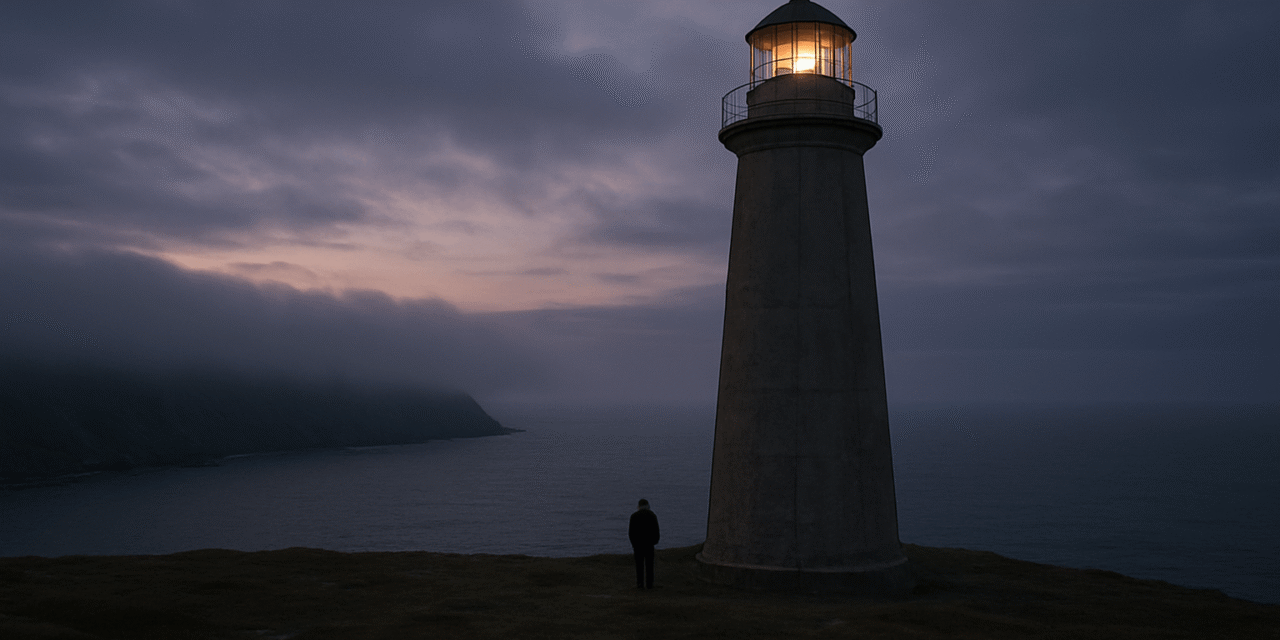
The road to Cape Race ends where North America ends — at a cliff above the North Atlantic, on the southeastern tip of Newfoundland’s Avalon Peninsula, where fog rolls in from the open ocean and the light has been burning since the mid-1800s. The lighthouse rises from flat barrens above water that is gray, patient, and has swallowed hundreds of ships over five centuries of maritime traffic. The isolation is complete: no town, no neighbor, only wind and water and the machinery of the light turning its arc across the dark.
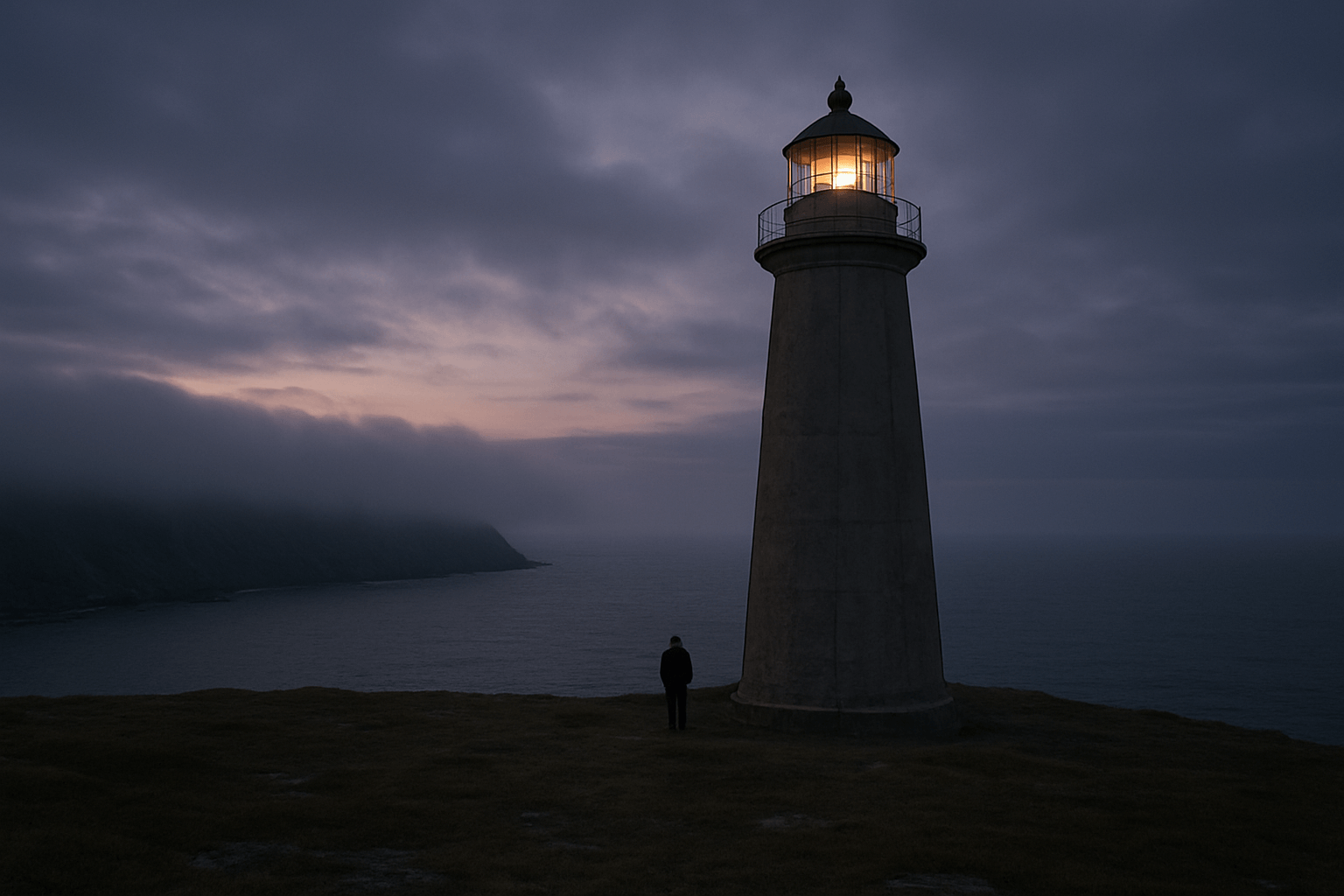
The keepers who lived at Cape Race lived there entirely, and what they reported over years of enforced solitude was specific: footsteps belonging to no one on duty, voices from the cliff face, figures performing rounds in the outbuildings who were not the current staff. The cape’s wrecks number in the hundreds — ships that misjudged the fog, found the rocks before the channel, and added their dead to a coastline already heavy with them. And then there is April 14 into April 15, 1912, when the wireless station at Cape Race received the distress signals from the RMS Titanic as the ship foundered. The operators relayed the calls and maintained contact until the last SOS came through, and then there was silence.
Cape Race is now a national historic site, the light automated, the wireless station history. Visitors who make the rough drive out report something between atmosphere and weight — a sense that the silence at the cliff’s edge is occupied, that the fog carries something more than moisture. The ghostly keepers continue their rounds. The sea keeps what it has taken.
Story Source: chanceht.org
Address: Cape Race Lighthouse, Cape Race, Newfoundland, Canada
Accessibility Rating: Limited or Restricted Access — Partially accessible; some areas off-limits, permit required, or access is seasonal or irregular.
Google Map
What Others Have Experienced
When the lighthouse is completely engulfed in fog, visitors describe the experience as simultaneously eerie and beautiful — the structure entirely invisible, the foghorn’s low resonant moan the only signal that the lighthouse still exists, the entire world reduced to gray mist and the sound of the North Atlantic. One visitor described standing in that fog and understanding, viscerally, why so many ships over the centuries had failed to find safety at exactly this point on the coast.
— from TripAdvisor
Cape Race holds the distinction of having been the first land station to receive the Titanic’s distress call on the night of April 14, 1912, using the Marconi wireless equipment installed here in 1904. Visitors to the interpretive displays describe the weight of that history as genuinely sobering — standing at the exact location where the last radio communications with the doomed ship passed through the air gives the site a gravity that several visitors describe as impossible to fully prepare for.
— from TripAdvisor
The drive to Cape Race covers more than twenty kilometers of potholed gravel road through a spectacularly barren stretch of the Avalon Peninsula, with no gas stations and almost no signs of human life along the way. Visitors consistently describe arriving at the lighthouse with the sensation of having reached the end of something — the edge of Canada, the edge of the known world — and standing on the rock cliffs above the dark North Atlantic reinforces that feeling completely.
— from TripAdvisor
The lighthouse’s beam, rated at one million candlepower and visible for twenty-four miles, was the brightest aid to navigation in North America during its operational era — making Cape Race the last thing many trans-Atlantic sailors saw before disaster struck in the surrounding waters. Rusted anchors and other wreckage visible at the site serve as quiet reminders of the ships that didn’t survive their approach, and multiple visitors describe leaving the site feeling haunted by what they were told happened in these waters.
— from TripAdvisor