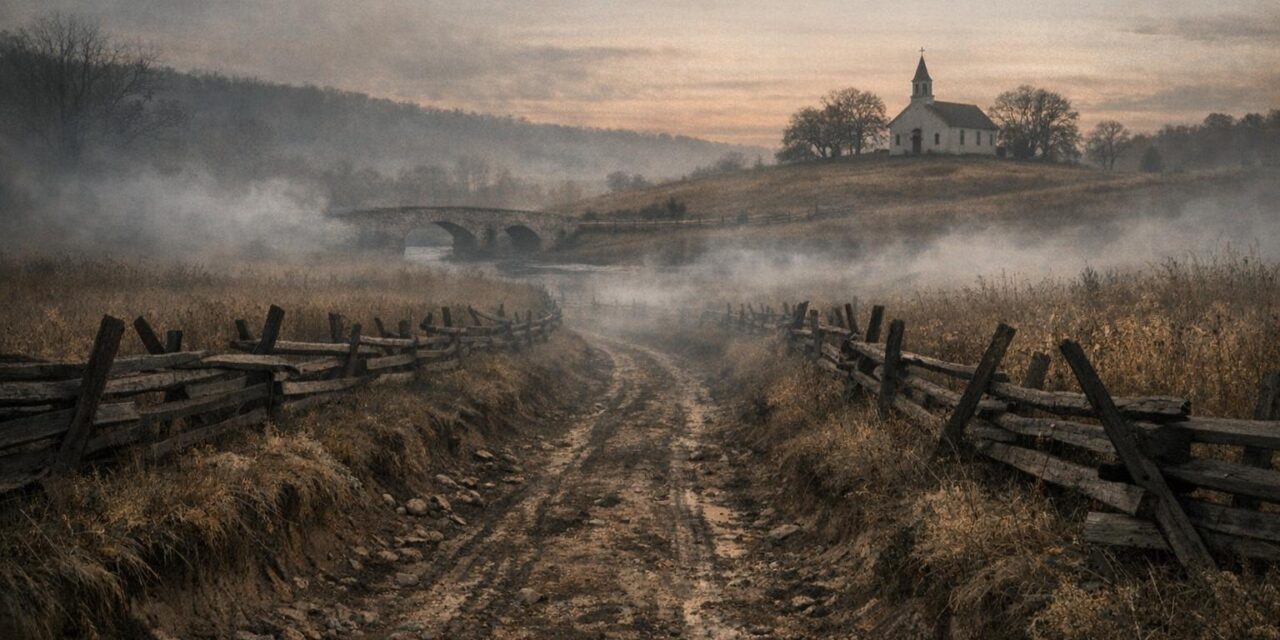
Outside Sharpsburg, Maryland, the farmland is quiet now: some 3,000 acres of fields, a small church, a creek sliding under an old stone bridge. On September 17, 1862, more than 22,000 men were killed, wounded, captured, or missing here. It remains the deadliest single day in American military history.
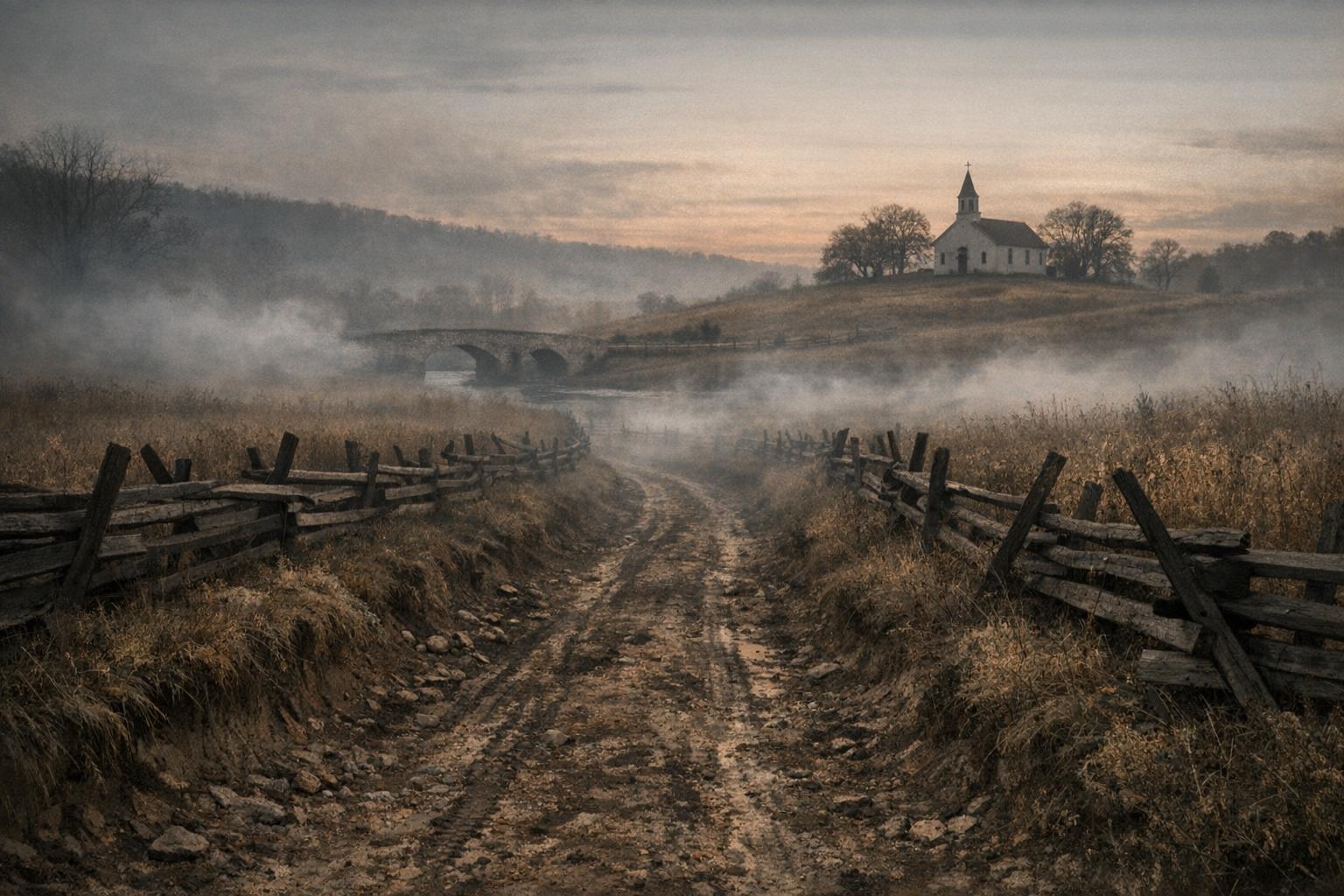
The fighting began at dawn in Miller’s Cornfield, where Joseph Hooker saw the dead lying in their ranks. At midday it moved to a sunken farm road, where roughly 5,500 men were killed or wounded in about three hours and the Irish Brigade paid dearly; ever after, it was Bloody Lane. In the afternoon, Burnside’s men fought their way across the bridge that now bears his name, and many who died near it were buried in unmarked graves. Five days later, Lincoln issued the preliminary Emancipation Proclamation. The ghost stories followed the dead. At Bloody Lane, visitors report gunfire and the smell of gunpowder, and one claimed to see Confederate soldiers vanish. Near the observation tower, schoolchildren are said to have heard singing like a Christmas carol where the Irish Brigade charged with a Gaelic battle cry. At Burnside Bridge, blue lights reportedly move to the beat of distant drums.
Antietam National Battlefield is open to all, explored by car or on foot from the visitor center on Dunker Church Road. Walk Bloody Lane. Climb the tower. And if a song drifts across the fields, you will not be the first to hear it.
Story Source: tourbaltimoreghosts.com
Address: 5831 Dunker Church Road, Sharpsburg, MD 21782
Accessibility Rating: Open to All — Freely accessible to the public with no advance requirement. Includes hotels, restaurants, bars, and public historic sites where visitors may walk in without prior booking.
Google Map
What Others Have Experienced
While relic hunting on the Roulette farm years ago, a visitor often felt as though he were being watched, especially on foggy days. Once, while digging up a minie ball, he was hit by an overpowering smell like blood and animal remains.
— from CivilWarTalk
Recalling a family trip to the battlefield in 1987, a visitor described a heaviness that seemed to hang over the entire landscape and was hard to put into words. Years later, everyone in the family still remembered feeling the same thing.
— from CivilWarTalk
A longtime park ranger said the battlefield can feel eerie at times, even though he has never seen anything himself. For him it is a feeling rather than a sighting, rooted in knowing what happened on that ground.
— from Connecting Vets