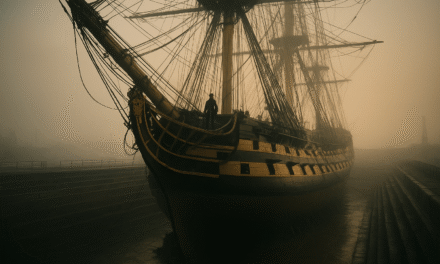
The Arabia was a 171-foot side-wheel steamboat carrying roughly 200 tons of frontier cargo when it struck a submerged walnut tree snag on the Missouri River on September 5, 1856, and sank in minutes near Parkville, Missouri. All 130 passengers and crew made it ashore. The ship did not. The Missouri River, which has always moved where it wants, shifted its channel eastward over the following years, and the Arabia was buried under more than twelve feet of silt on what became a farm field in Kansas, half a mile from the current riverbank. She stayed there for 132 years.
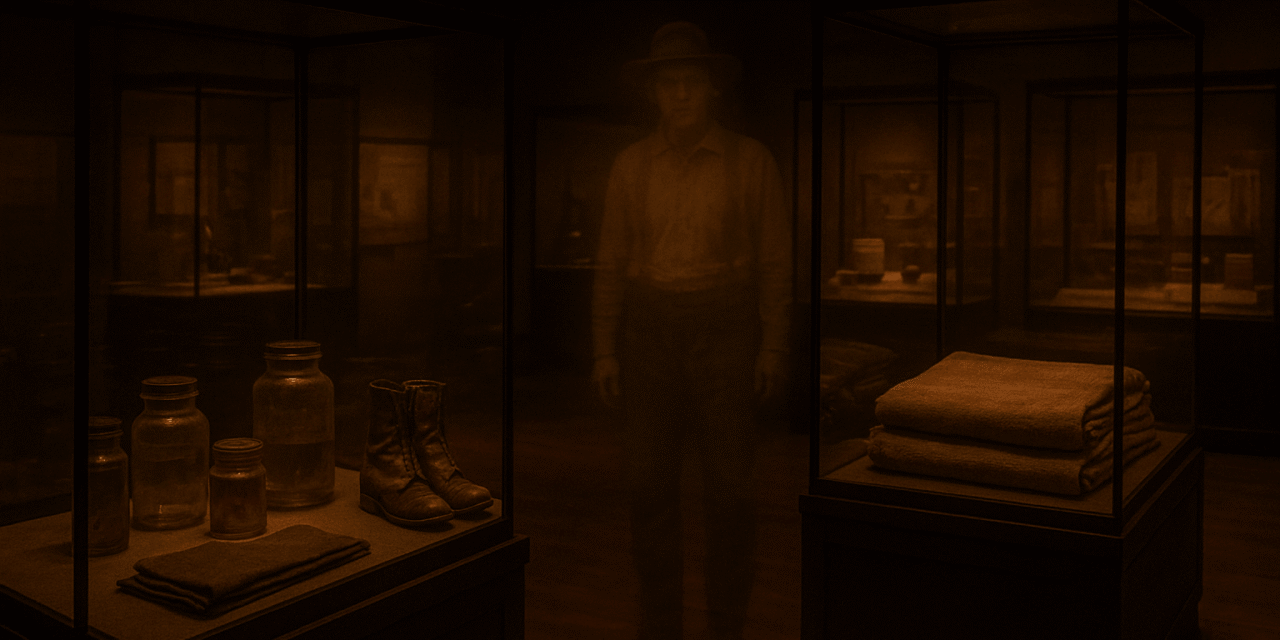
When the Hawley family located the wreck with metal detectors in 1988 and excavated the following winter, they found something the Missouri’s cold, anaerobic sediment had preserved almost completely: more than 200 tons of 1856 frontier cargo still intact. Glass jars of food still sealed. Bolts of fabric with their colors vivid. Boots with supple leather. Tools with their wooden handles. China sets ordered by someone for a frontier home. A complete, accidental inventory of mid-nineteenth-century American settlement life, frozen in the moment the ship went down. The Arabia Steamboat Museum opened in Kansas City in 1991 to display the recovered collection.
The haunting at the Arabia museum is different in character from most shipwreck ghost stories, because no one died aboard the vessel. What lingers, if anything does, is the weight of interrupted ordinary life. Docents describe a figure in period working clothes moving through the exhibit halls after hours—not threatening, not communicative, just present in the way someone is present in a place where their belongings are kept. Workers at the original excavation site described a persistent feeling of being observed from the pit, of something in the cold dark that had not yet decided what to make of being found.
Story Source: www.1856.com
Address: 400 Grand Blvd, Kansas City, MO 64106, USA
Accessibility Rating: Booking Recommended
Google Map
What Others Have Experienced
The Arabia Steamboat Museum holds what is claimed to be the world’s largest single collection of pre-Civil War artifacts — over 4,000 boots and shoes, 247 hats, 328 pocket knives, 29 jars of pickles, and a children’s doll, all bound for frontier settlers in 1856 and never delivered. Walking case after case through goods suspended in time since the moment the ship sank creates a quietly overwhelming sense of lives interrupted and preserved.
— from TripAdvisor
When the excavation team pried open the first barrel from the Arabia’s hold, they pulled out exquisite Wedgwood china — and then found that small-mouthed bottles in the cargo still held preserved sweet pickles, reportedly still edible after more than 130 years in the mud. For months afterward, Florence Hawley worked in the family home sewing boots and hats back together and separating beads from compacted clay, spending her days in physical contact with the personal effects of people who had been dead since before the Civil War.
— from Smithsonian Magazine
The Arabia struck a submerged tree and sank in under ten minutes on September 5, 1856, giving passengers barely enough time to escape. All 130 survived, but the 200 tons of cargo bound for frontier settlers vanished beneath the Missouri River mud. The river later shifted its course entirely, leaving the ship buried 45 feet underground — half a mile from the current channel — for 132 years before it was rediscovered.
— from Arabia Steamboat Museum
During the 1988 excavation, Bob and Greg Hawley were working knee-deep in mud when a sudden rush of groundwater overtook them. Trapped in the rising water and glutinous muck, with the water reaching Bob’s chest, they were nearly drowned before a collapse of sand sealed the fissure that had opened. As Greg remarked afterward, a shorter man would not have survived — a near-death encounter that added their own brush with the Missouri’s lethal past to the story they were uncovering.
— from Smithsonian Magazine
Visitors who meet surviving excavator Dave Hawley in person at the museum describe being struck by how many of the goods on display appear to be in near-new condition — shirts still folded, shoes still in their original packaging, food still preserved. The effect is profoundly disorienting: 170 years have passed, yet the objects feel as though they were packed the day before, waiting for owners who never came.
— from TripAdvisor