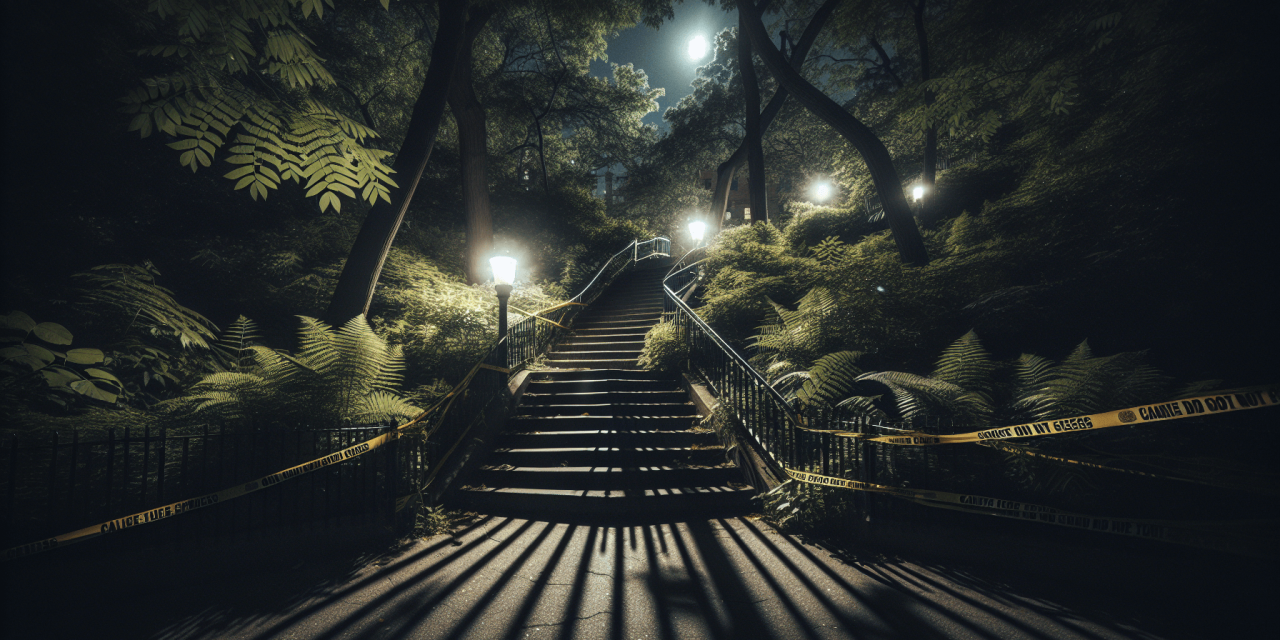
On December 11, 2019, the quiet evening near Morningside Park in Manhattan is shattered by a violent confrontation. Tessa Majors, an eighteen-year-old freshman at Barnard College, finds herself at the center of a deadly attack. As she navigates the dimly lit staircase, three teenagers approach with sinister intent. In a matter of moments, the scene turns chaotic. Majors fights back fiercely, but the encounter ends tragically as she is stabbed and left bleeding on the cold pavement. She is rushed to Mount Sinai Morningside Hospital, where she is pronounced dead.

The following day, police arrest a thirteen-year-old boy, charging him with felony murder. As the investigation unfolds, two additional suspects—both fourteen years old—are apprehended. The case gains momentum with confessions and evidence linking them to the crime. DNA found under Majors’ fingernails and incriminating statements reveal a premeditated plan that spiraled into violence. The teens aimed to rob park-goers, but this time, their choice of victim led to unforeseen consequences.
In the courtroom, the severity of the crime is met with substantial sentences. The youngest suspect admits guilt to robbery, receiving eighteen months in detention. Luchiano Lewis and Rashaun Weaver face justice for their roles, with guilty pleas to murder and robbery charges, resulting in nine years to life and fourteen years to life in prison, respectively. The murder of Tessa Majors resonates deeply, reigniting concerns over youth violence and safety in the city’s parks. The haunting memory of that December night lingers, a stark reminder of innocence lost.