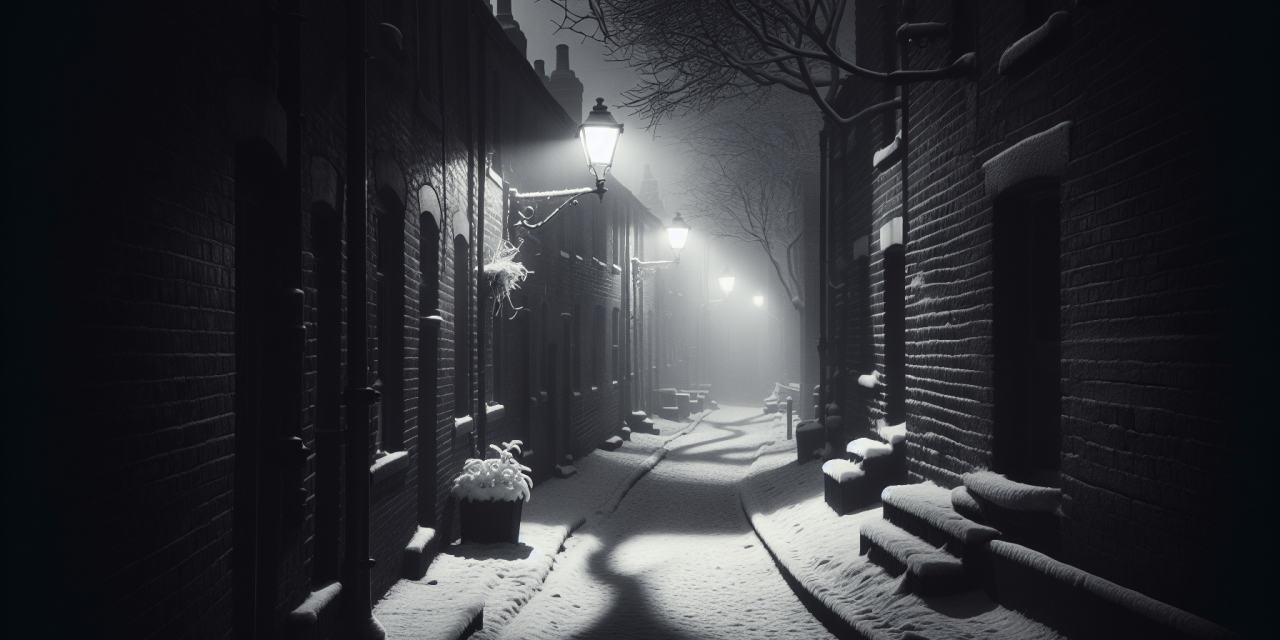
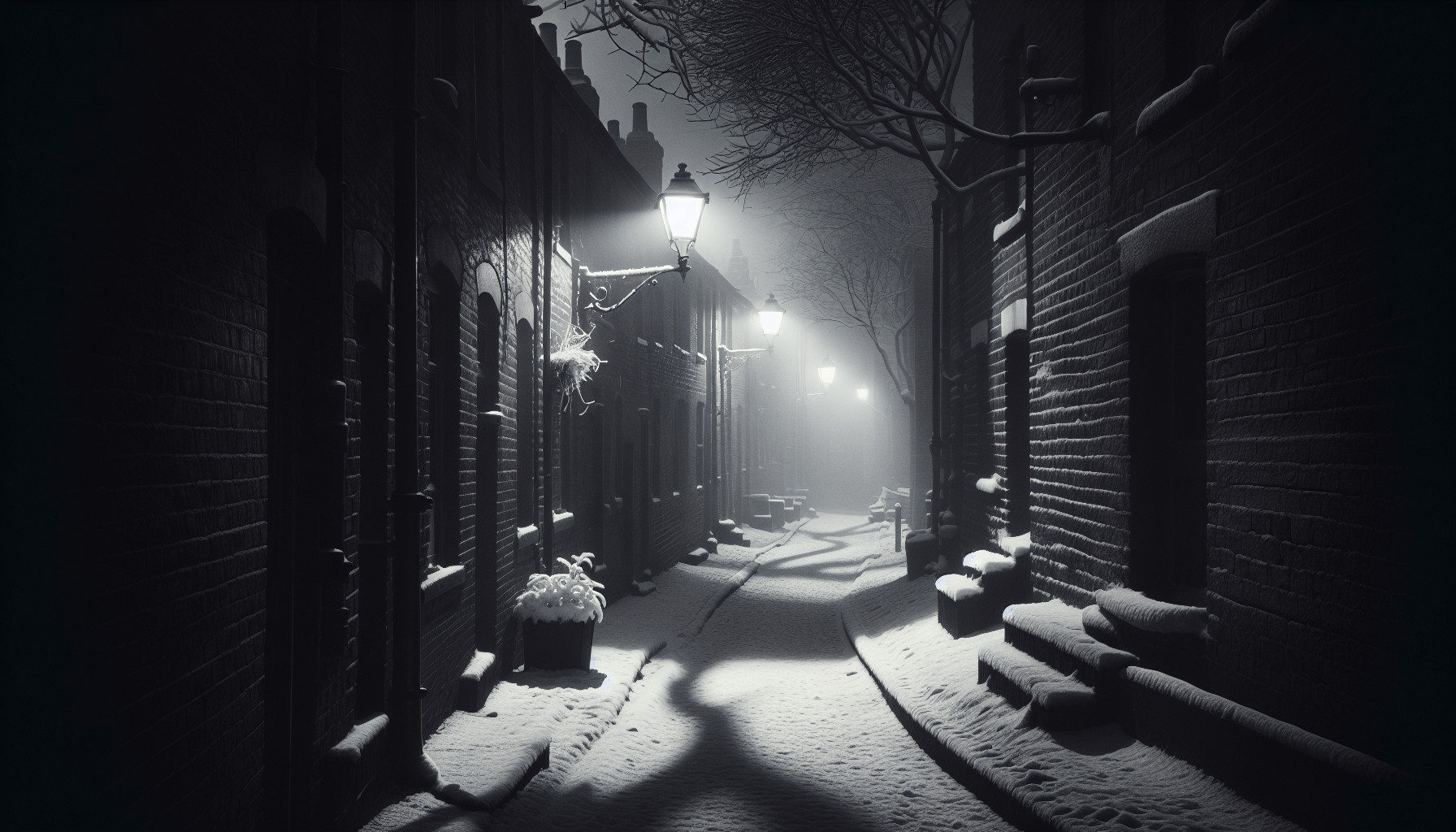
On December 17, 2010, Joanna Yeates, a promising landscape architect, disappears from the flat she shares with her partner in Bristol. After a night out with colleagues, she never returns home. Her partner, Greg Reardon, comes back from a weekend away to find her coat, keys, and phone left behind, untouched. The unsettling scene prompts a desperate search and a public appeal for her safe return. On Christmas Day, the mystery takes a grim turn when Joanna’s body is discovered, strangled, in the snow-laden outskirts of the city.
The investigation, dubbed “Operation Braid,” becomes one of the largest in Bristol’s history. Initial suspicion falls on Joanna’s eccentric landlord, Christopher Jefferies, who is arrested but later released without charge. Media scrutiny intensifies as police sift through leads and surveillance footage. The breakthrough comes with the arrest of Vincent Tabak, a neighbor who lived in a nearby flat. Tabak, an architectural engineer, is charged after his DNA matches samples from Joanna’s body. Despite his initial claims of innocence, he eventually pleads guilty to manslaughter, though he denies murder.
In October 2011, Vincent Tabak is found guilty of Joanna Yeates’s murder and is sentenced to life imprisonment with a minimum term of 20 years. The case not only highlights the intense media coverage and its repercussions but also sparks legal actions against several UK newspapers for their handling of the story. Joanna’s memory is honored through various memorials and projects, ensuring her legacy in landscape architecture endures. Her tragic fate remains a somber reminder of the potential for darkness in everyday life.