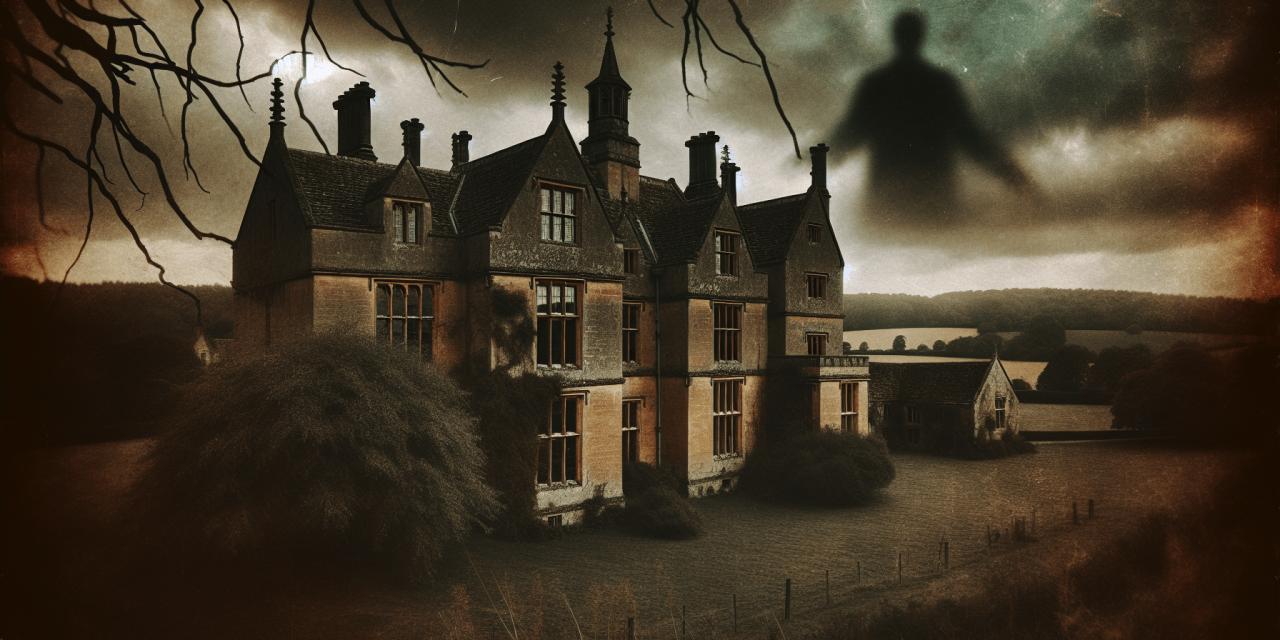
On November 1, 1909, the quiet town of Stalybridge in Cheshire, England, is shattered by a chilling murder. George Harry Storrs, a prominent local figure, lies dead, stabbed multiple times in his own home. Despite being under police protection due to a series of threatening letters, the murder occurs when officers are preoccupied with election duties. As his wife, Maggie, rings the bell for help, George’s life slips away before assistance arrives. The community is shaken, and questions abound about who could commit such a brazen act.
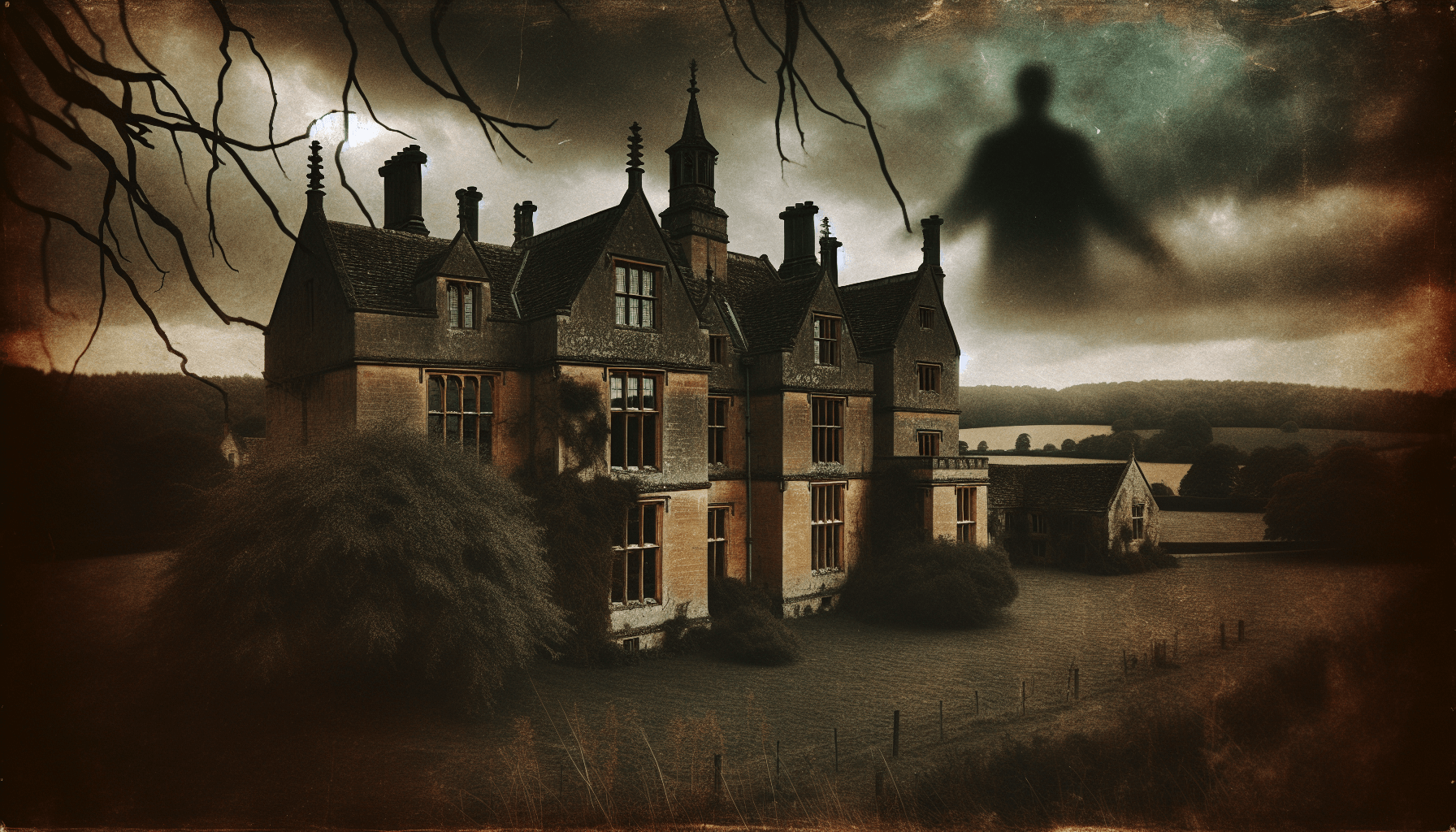
The investigation that follows is both intricate and fruitless. Among those scrutinized are George’s cousin, Cornelius Howard, and Mark Wilde, a local man with a troubled past. Both face trial, defended by barrister Edward Theophilus Nelson, yet neither conviction is secured. The descriptions provided by witnesses fail to match any of the suspects, leaving investigators without a clear direction. As the trials conclude, the sense of justice remains unfulfilled, and Stalybridge is left grappling with its own dark mystery.
In the years that follow, the unsolved murder of George Harry Storrs spawns numerous theories, intertwining with other local crimes. One historian suggests a connection to another murder, theorizing that a different suspect might hold the key. Despite these efforts, the case remains open, and the shadow of the murder looms over the community. A year later, Gorse Hall is demolished, yet the secrets it held continue to haunt those left behind. The story of George Harry Storrs remains an enduring enigma, a reminder of the mysteries that sometimes elude resolution.