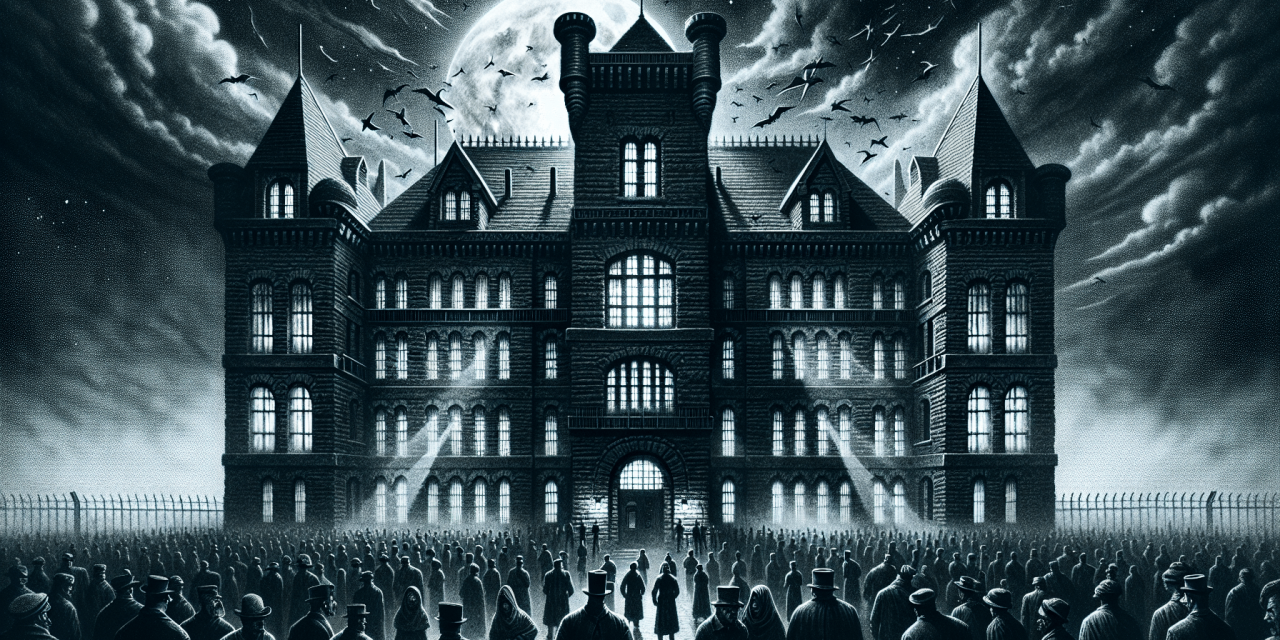
In the early hours of December 12, 1880, a chilling scene unfolds in Clay County, Indiana. A white mob, masked and resolute, gathers under the cloak of darkness. Their target is George Scott, an African American man accused of rape. Rumors of this mob had circulated, yet the local sheriff, James Lankford, dismisses them, leaving the keys with ex-Sheriff Jacob Baumunk. As the night deepens, over 100 men descend upon the jail, prepared to unleash violence.
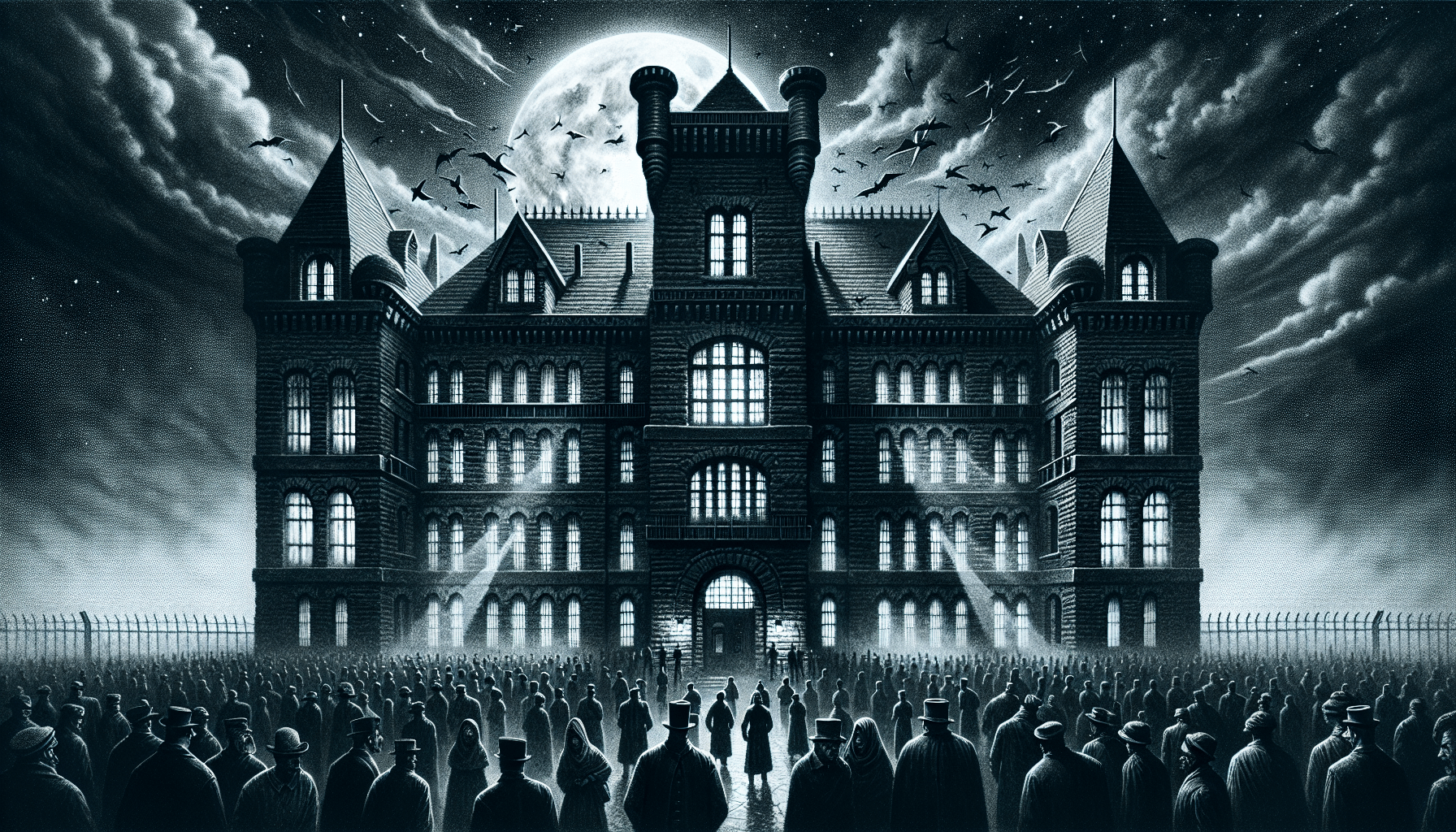
Jacob Baumunk, who remains at the jail, is quickly confronted by the mob demanding entry. When Baumunk tells them he doesn’t have the keys, the mob turns to brute force. Sledgehammers crash against the jail’s defenses, and between three and four in the morning, the mob seizes Scott. They drag him to a nearby oak tree, where he is hanged. By dawn, the grim tableau is discovered by Dr. George Pell, the Clay County Coroner, who transports Scott’s body to the courthouse.
The aftermath resonates with horror and injustice. Scott’s body is viewed by thousands before finally being released to his family near Indianapolis. The lynching stands as a stark reminder of the racial tensions and injustices of the era, marking a dark chapter in Indiana’s history.