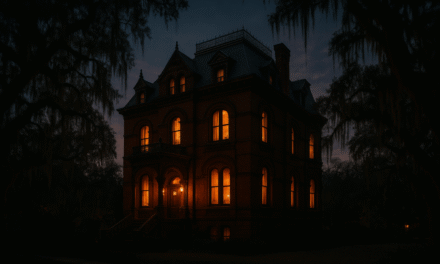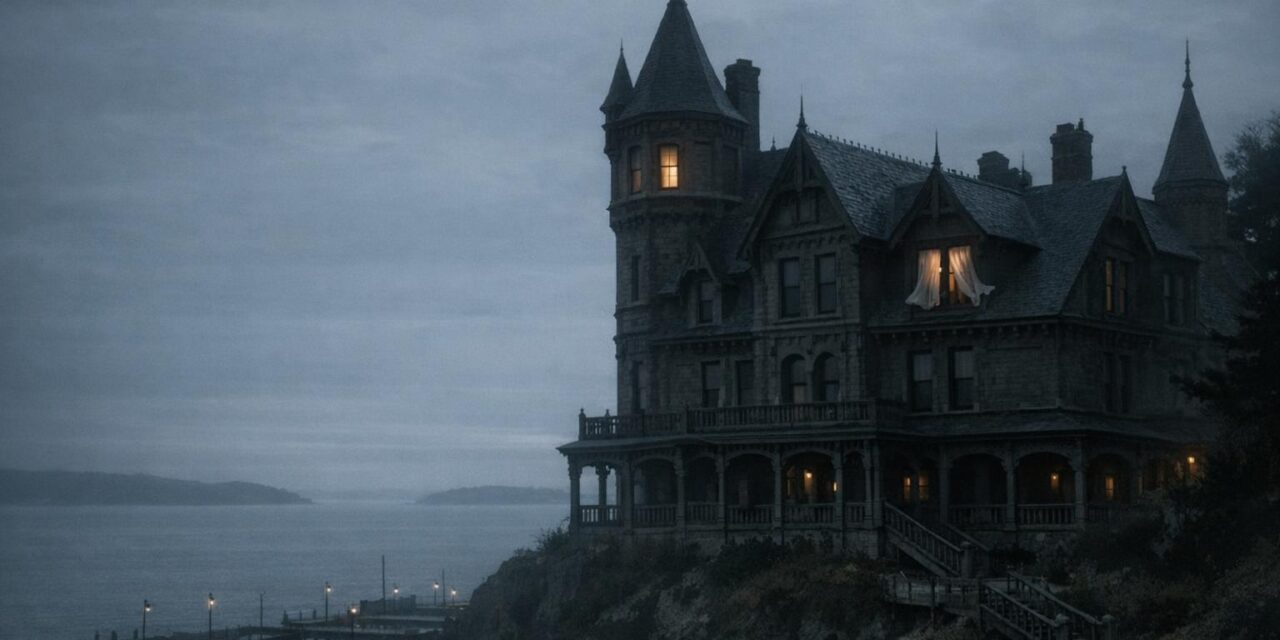
Manresa Castle was built in 1892 by Charles Eisenbeis, Port Townsend’s first mayor, as a private residence styled after the Prussian manor houses of his German homeland. The town was booming at the time, positioned to become the great port city of the Pacific Northwest. The railroad bypassed Port Townsend before that destiny arrived, and the Victorian grandeur Eisenbeis built was preserved largely because no one had the occasion to replace it. The castle eventually passed to the Jesuit order, who used it as a college and retreat house for decades before it became the hotel it is today.
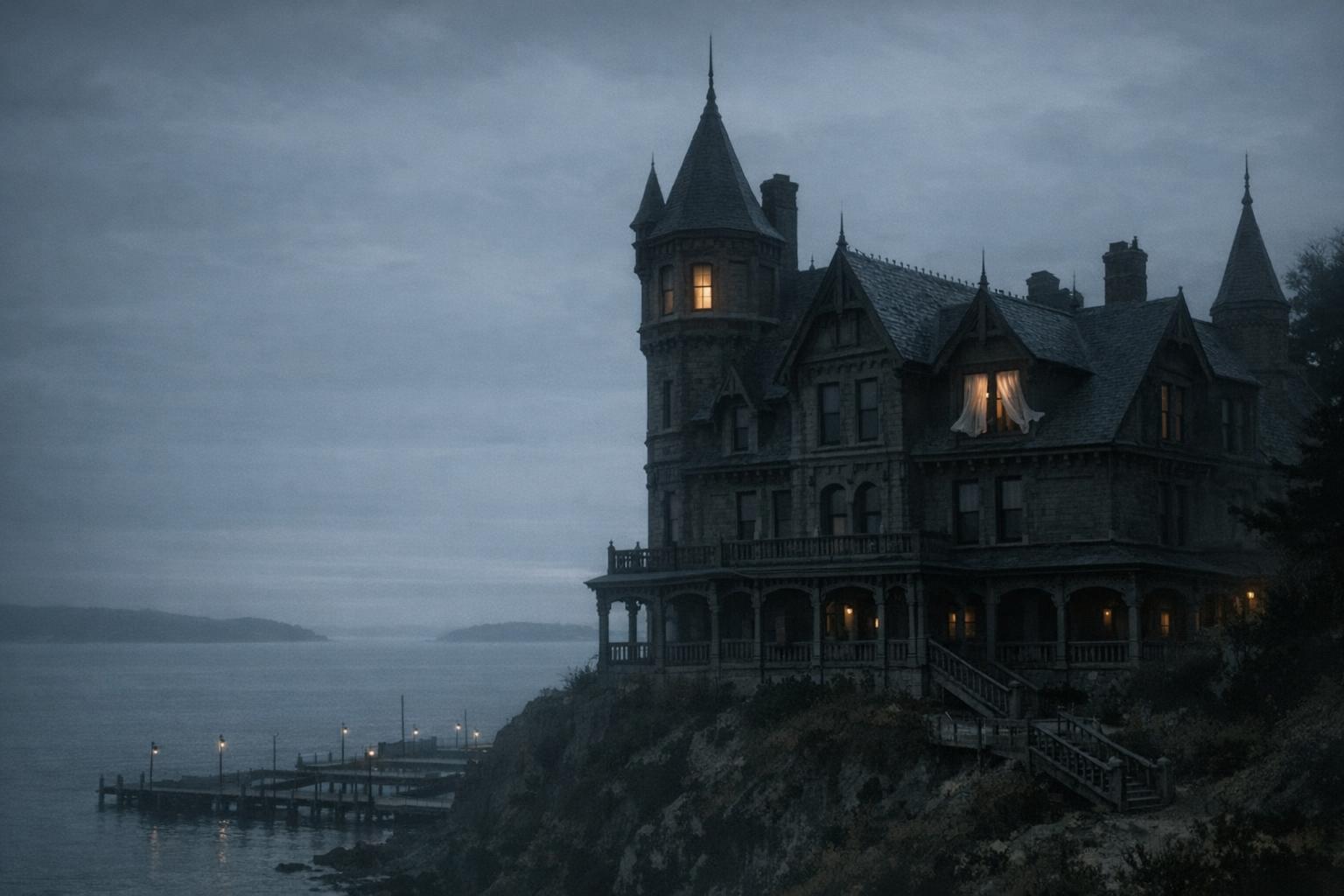
The haunting centers on two figures whose stories have become inseparable from the building. The first is a Jesuit priest connected to the upper floors and tower, where guests and staff consistently report unexplained sounds, cold that appears without source, and a persistent sense of presence in hallways that look empty. The second is a woman — known as Kate in the telling — said to have been on the third floor waiting for news of a lover lost at sea. Her grief ended at a third-floor window, and what remains is a heaviness in certain rooms and the occasional glimpse of a figure that does not stay long enough to be identified.
Together they give the castle a haunted geography that visitors carry with them through check-in. The building was designed to impress and endure, and it has done both — surviving Port Townsend’s collapsed ambitions, the quiet decades of Jesuit tenancy, and the long accumulation of stories that old buildings collect when they have been standing long enough to deserve them.
Story Source: www.manresacastle.com
Address: 651 Cleveland St, Port Townsend, WA 98368
Accessibility Rating: Open to All — Freely accessible to the public with no advance requirement. Includes hotels, restaurants, bars, and public historic sites where visitors may walk in without prior booking.
Google Map
What Others Have Experienced
Room 306 of Manresa Castle is associated with the legend of a young woman named Kate who threw herself from the third-floor window after receiving news of her lover’s death. Guests who stay in 306 report lights that flicker without electrical cause, the television turning itself on and off throughout the night, and a quality of unease in the room that several accounts describe as distinct from ordinary anxiety, as though the room itself is inhabited.
— from Haunted Rooms America
Room 302 is home to the spirit of a Jesuit monk who is said to have hanged himself in the building’s bell tower during the castle’s years as a Jesuit training college. Guests in that room describe hearing footsteps moving through the attic above them at night, in a space confirmed to be otherwise unoccupied, and the rhythm of the sounds is described as pacing rather than random movement.
— from Washington Haunted Houses
A TripAdvisor reviewer who specifically requested room 302 for its paranormal reputation described witnessing paranormal activity during their stay that they declined to detail fully, writing only that it was significant enough to confirm for them that the accounts were not exaggerated. They noted the room itself had an atmosphere unlike any hotel room they had stayed in, and that they slept with the light on.
— from TripAdvisor
The castle’s cafe has its own documented phenomena — drinking glasses have shattered without being touched and have been found turned upside down with no staff having moved them. The building-wide pattern of strange noises and shadowy presences after midnight has been described by overnight guests as making the castle feel categorically different from any other Victorian building they have slept in, the 1892 structure seeming to produce its own sounds after the guests have retired.
— from Hauntworld
Ghost Adventures filmed a full episode at Manresa Castle in 2015, rated 8.5 on IMDB, which introduced the property to a national paranormal audience and led to a significant increase in guests specifically requesting the haunted rooms. A Port Townsend Leader journalist who spent the night in the castle described it as a genuinely unsettling experience and wrote that the building’s Prussian architecture and Jesuit history give it a gravity that makes the paranormal claims feel organic rather than manufactured.
— from Port Townsend Leader