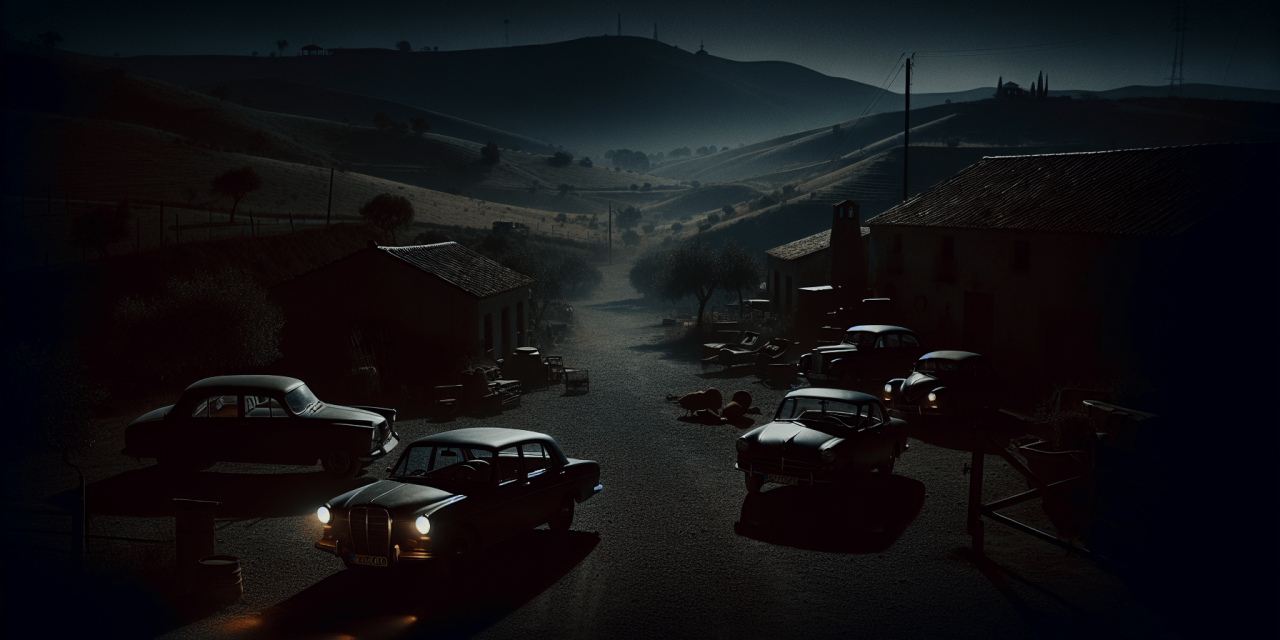
In 1983, the serene atmosphere of Bayonne, France, shatters as José Antonio Lasa and José Ignacio Zabala are abducted. Their captors are members of the Spanish police, operating under the GAL, a clandestine death squad. The men are shuttled across the border to San Sebastián, Spain, where they endure brutal interrogations. Their fate takes a darker turn as they are moved to Alicante, forced to dig their graves, and executed, their bodies hidden beneath quicklime.
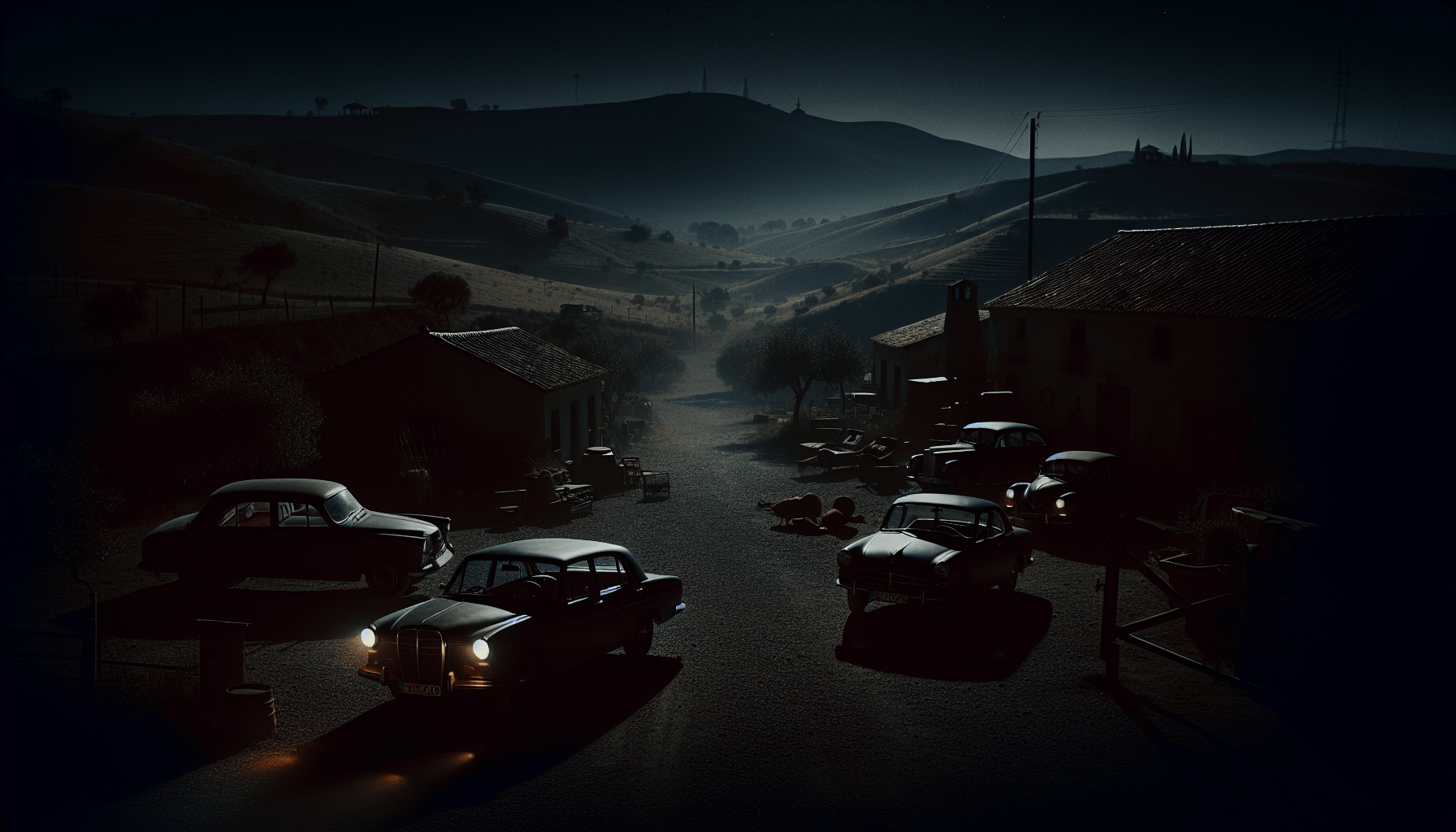
The investigation unveils a stunning conspiracy. The GAL, linked directly to the Spanish government, orchestrates this heinous act. Trials uncover the involvement of high-ranking officials such as General Enrique Rodríguez Galindo, leading to convictions. Despite receiving a combined sentence of 365 years, these figures see early release, a mere four and a half years served by Galindo, following a controversial pardon.
The impact of this case lingers within Spain’s consciousness. The film “Lasa eta Zabala” captures its grim narrative, cementing its place in cultural memory. The quest for justice feels unresolved, leaving a haunting reminder of the potential depths of corruption and the fragile nature of accountability.