The Château de Brissac rises seven floors from the Loire Valley countryside south of Angers, the tallest château in France and, since 1502, the unbroken possession of the same family. The Cossé-Brissac family lives there still. The current Duc occupies rooms where his ancestors received French kings. The building is open to visitors, its cellars produce Anjou wine, and one of the upper rooms, near the chapel, is where the Green Lady tends to appear.
On the night of May 31, 1477, Jacques de Brézé arrived at the château and found, or believed he found, confirmation of what he had suspected—that his wife Charlotte was involved with one of his own huntsmen, Pierre de Lavergne. He drew his sword and killed them both. He then left the château, unable, he said, to remain in a place he described as filled with incessant moaning. He was prosecuted for the murders. He was fined. He eventually remarried and lived to old age. Charlotte did not.
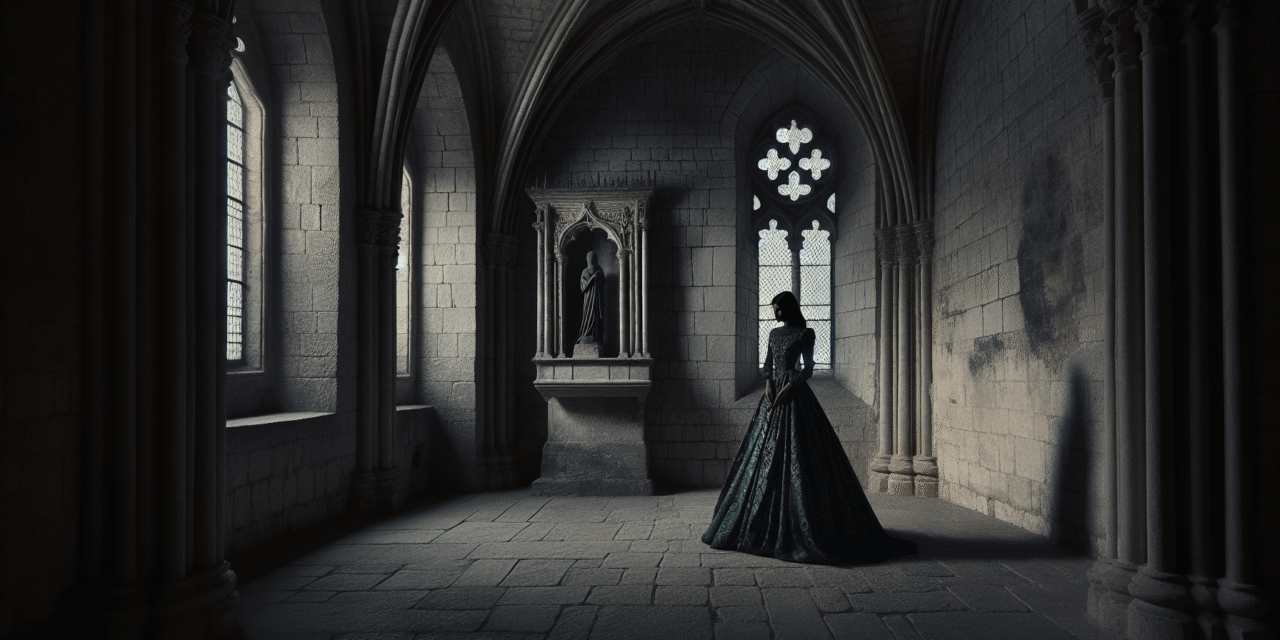
The ghost she left behind is known as La Dame Verte—the Green Lady. She wears a green dress and appears most often in the tower room near the chapel. Witnesses have described hollows where her eyes and nose should be, the face of someone who did not die peacefully. The description has remained consistent across centuries. The Cossé-Brissac family, who have shared the building with her for more than five hundred years, do not appear inclined to discuss her publicly. They live there. She is there. The arrangement has proven durable.
Story Source: www.ancient-origins.net
Address: Chateau de Brissac, 49320 Brissac Loire Aubance, France
Accessibility Rating: Booking Required — Open to visitors but requires advance reservation, ticket purchase, or tour booking.
Google Map
What Others Have Experienced
Brissac is the tallest château in France at seven floors, privately owned by the same family for over 400 years, and open for guided tours between April and October. Dark tourism travelers describe the combination of the building’s genuine grandeur — extraordinary art collections, vaulted baroque ceilings, historic royal connections — and the specific horror of what happened within its walls as the kind of tonal contrast that French aristocratic history delivers better than any other context.
— from Dark Tourists
The Green Lady is most frequently encountered on the chapel tower staircase — the area associated with Charlotte de Brézé’s murder in 1477 — where both guests and members of the resident Duc de Brissac’s household have reported her presence. Her described appearance — a woman in green with hollow eye sockets and a decayed face — is consistent across independent accounts, and the current Duke has acknowledged accounts from both staff and overnight guests.
— from Malorie’s Adventures
Overnight guests who have stayed in the château’s B&B rooms describe hearing moaning sounds in the early morning hours, particularly near the chapel wing. The Duke’s matter-of-fact acknowledgment of Charlotte’s presence as part of the château’s identity — rather than an embarrassment or a marketing gimmick — creates a relationship to the haunting that visitors describe as lending the experience an unusual authenticity.
— from Great Castles
The guided tour covers rooms that have remained in active family use across centuries — the King’s Bedroom, the Hunt Room with its collection of aristocratic trophies, the dining room with its painted vaulted ceiling — creating the effect of walking through a living household rather than a frozen museum. Visitors describe this inhabited quality as making the château’s dark history feel more present rather than more distant.
— from Loire Valley Châteaux
Brissac’s setting in the Loire Valley means it sits within easy reach of other historically significant châteaux, but visitors consistently describe it as distinct from its neighbors in character — less the polished historic monument and more a place still genuinely at home in its own centuries. The Green Lady story, grounded in a documented 15th-century murder rather than folklore, gives the visit a specific weight that purely architectural tourism would not produce.
— from Dreamer at Heart